Aeon
The word "aeon" (also spelled "eon") refers to a long period of time.
A study on health catastrophe
Research
UX / UI
Duration : 6 Weeks
Context
People often experience catastrophic health outcomes due to poor health management, lifestyle choices, and inadequate support, particularly in understanding, monitoring, and recording their health information. These challenges hinder effective self-care and timely assistance during critical moments.
Project & Process
Empathizing : This study began by empathizing with chronic disease patients and their families as they face and overcome catastrophic situations, identifying a critical area for intervention.
Focus Area : This led to the development of a health management application tailored to the Indian family-specific healthcare ecosystem. It addresses multiple challenges, from individual self-care difficulties to the limitations of a static health system.
Product : At its core, the application features an evidence-based dynamic prescription model designed to enhance patient care through innovative features and integrated health management solutions for both individuals and their families in India.
Research process
Methodology : Combining observational studies, personal interviews, and data collection from articles and research papers.
The primary focus of the research was to understand patient-centered challenges, with particular emphasis on two key stakeholders: patients and physicians." This research aims to explore why such situations occur, identifying who is affected, as well as examining how, when, and where these crises unfold, and what contributing factors exacerbate these challenges.
Concern area
Circulatory diseases
33% - 4.77 million
of total death in 2018
Data showing Circulatory diseases in the major cause of death in India
https://censusindia.gov.in/nada/index.php/catalog/40071
Respiratory diseases
9.4%
Infectious and parasite diseases
5.9 %
Perinatal period
5.7 %
Metabolic diseases
5.6 %
Injury and poisoning
4.5 %
Others
26.6%
Other causes
https://censusindia.gov.in/nada/index.php/catalog/40071
Preliminary study : Problems causing Circulatory diseases
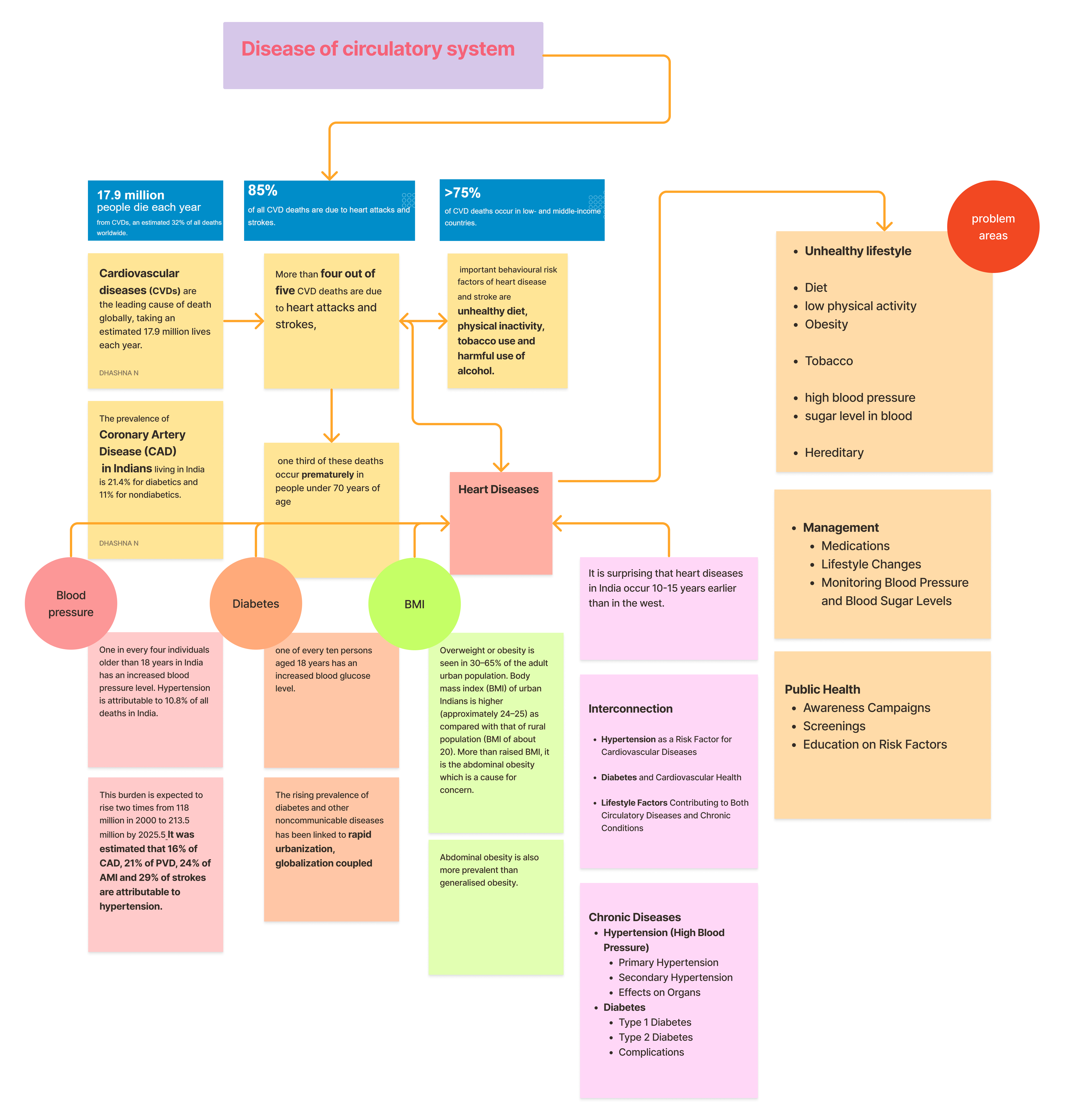
Source: https://pubmed.ncbi.nlm.nih.gov/33157375/
Context Understanding patients - From live Scenarios & Painpoints
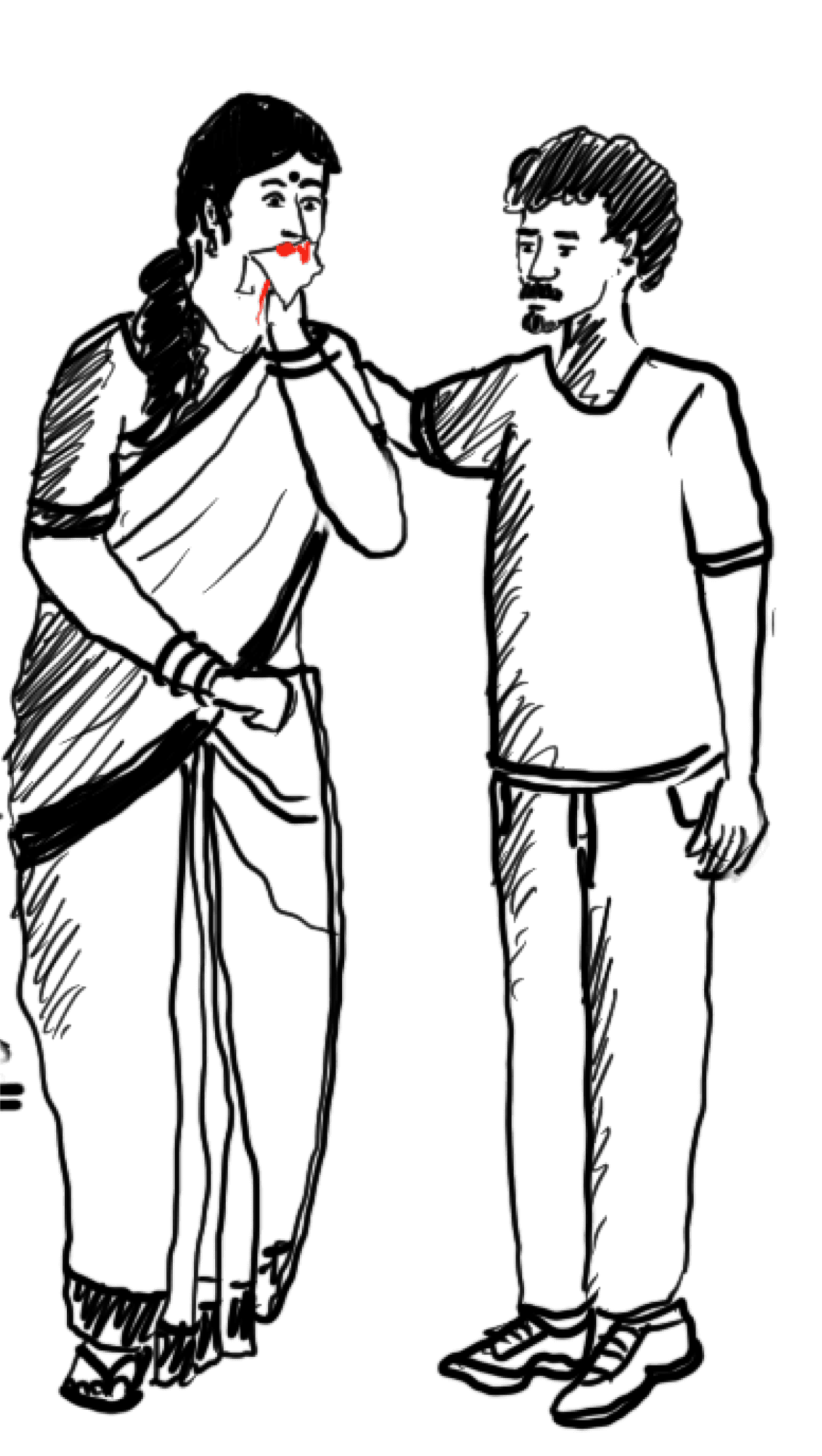
Mrs. Yuvarani
Age - 48, LIC Agent
Educated and working women constantly busy with her field work.
Conditions: High Blood pressure and
Thyroid.
Possibilities and problems
Blood pressure in rise caused nose bleeding. She couldn’t find any visible injury.
She is aware that , she has Blood pressure. But she thought she has control over it. She was not taking Medication for a months.
What if it would have been a Brain hemorrhage .
Insights / Opportunity
Misconception about condition
Non-Adherence to Medication
Regular health check-ups and monitoring
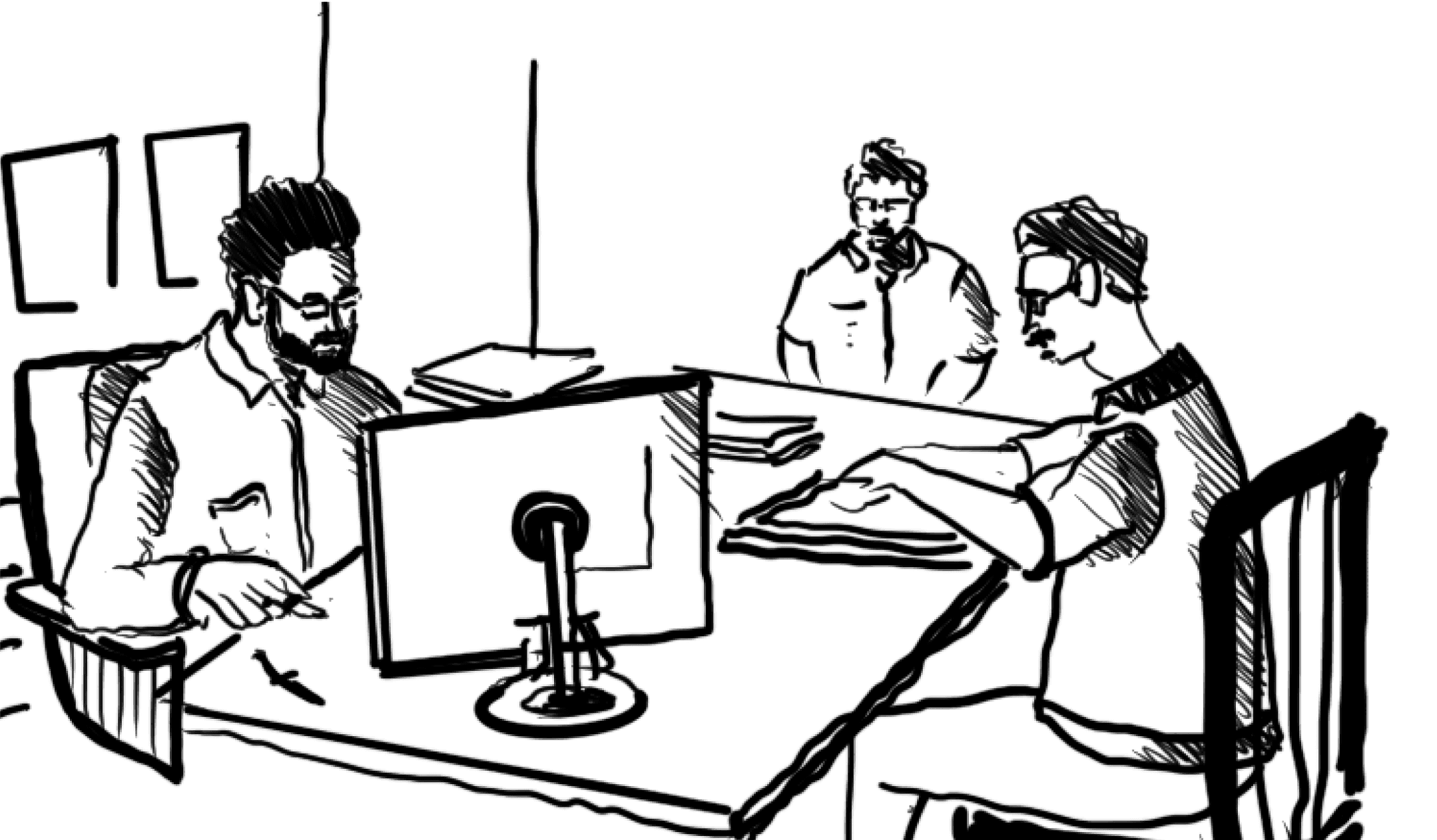
Mr. Natarajan
Age - 5 6, VAO
Govt. employee , working for the
Revenue department in Tamil nadu.
who was constantly busy with office
and field works in meeting emergency service job requirements.
Conditions: Type 2 Diabetic, Blood pressure,
Vision problem , ulcer and constipation.
Possibilities and problems
Because of his self carelessness and job pressure, He developed series of health conditions after diabetes in a sequence.
Work life causes inability
to him to follow medication
and lifestyle changes to
avoid health problem .Dosage on rise
Fell ill while working in the office and Found Unconscious. A stroke was diagnosed, and despite receiving tertiary care for some time, they sadly passed away.
Insights / Opportunity
Impact of Lifestyle.
Barriers to medication.
Need for supportive Environments.
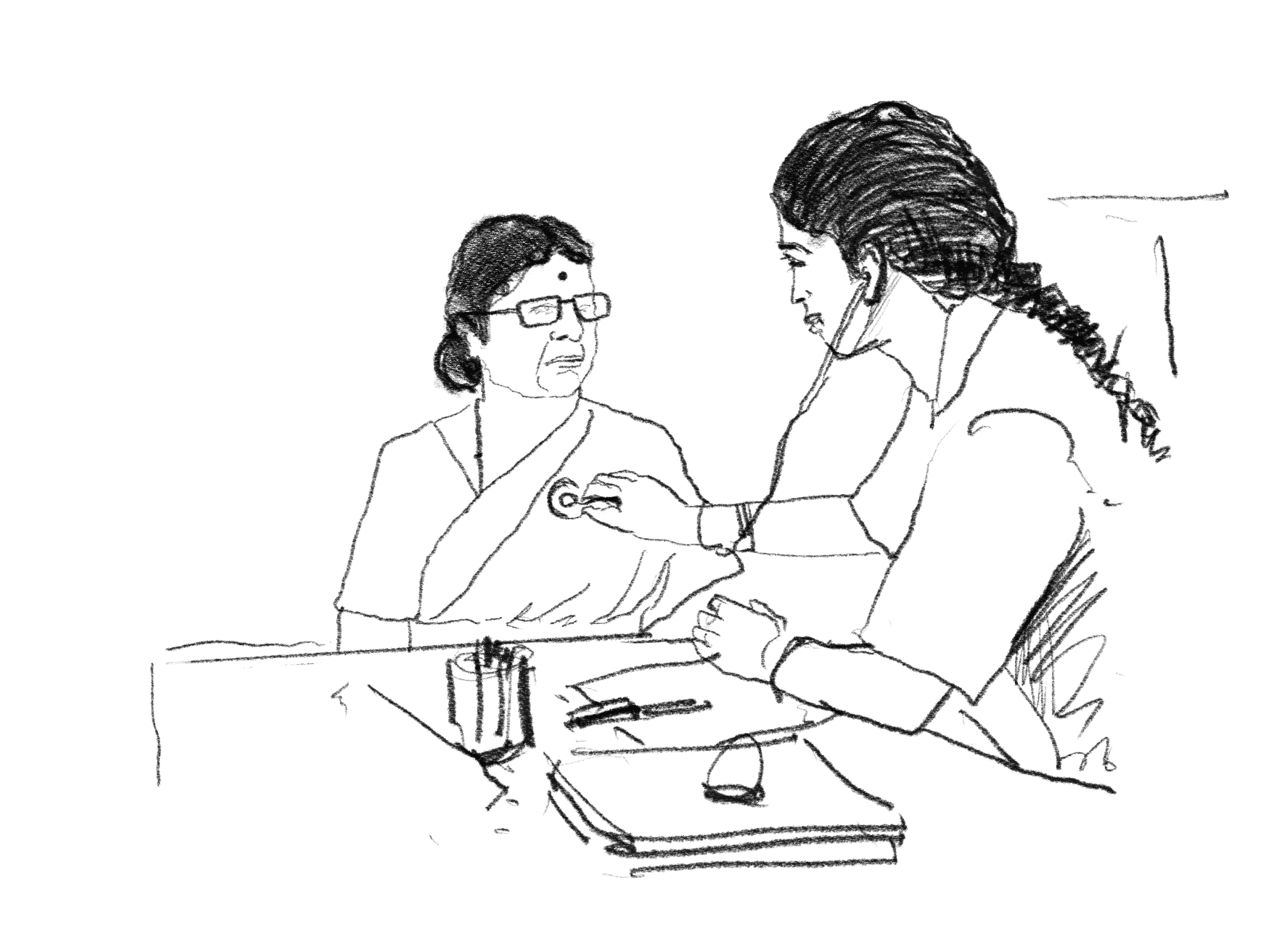
Mr. Sumathi
Age - 62, House wife
She is living alone in a village with her
husband whereas her sons were staying
in near by town in 10 km away.
Conditions: Blood pressure ,
aortic stenosis (Heart Valve disease).
Possibilities and problems
Unusually fatigue even after light household work, assuming it was due to old age. Upon examining the doctor discovered valve shrinkage.
Sumathi may not fully understand the significance of her symptoms or the importance of providing detailed information to her healthcare providers.
Not having Records of her previous diagnoses and treatments making it challenging for healthcare providers to assess her medical history accurately.
Insights
Understanding and Awareness.
Importance of Medical Records.
Where do this people stay
in Prevention pyramid
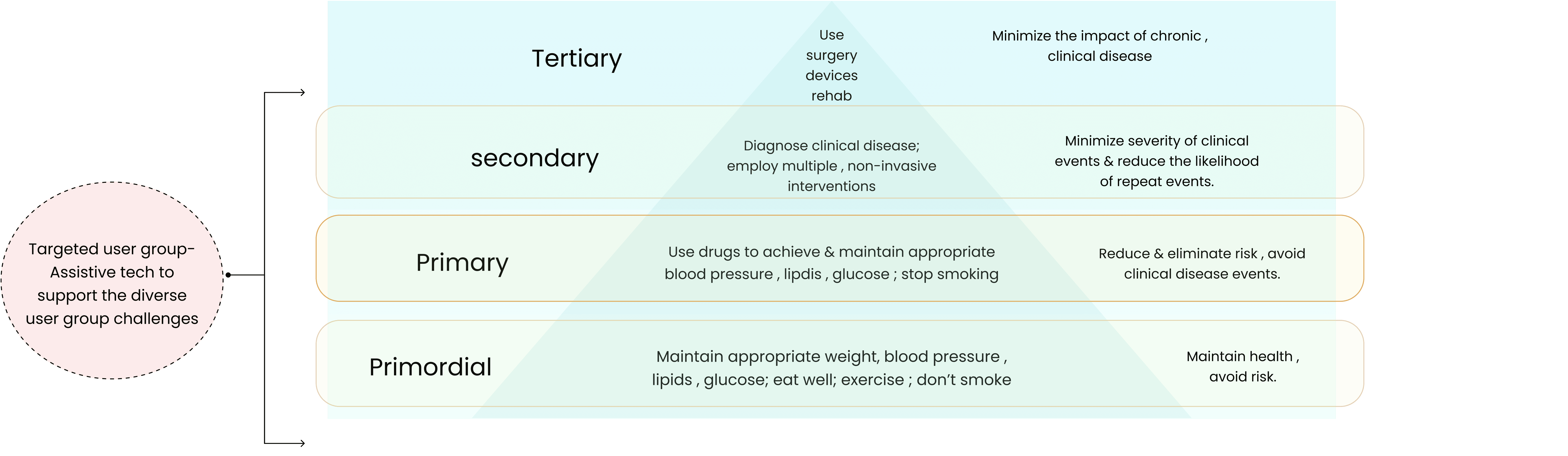
Target User groups Prevention Strategies - StatPearls - NCBI Bookshelf - NIHhttps://www.ncbi.nlm.nih.gov
What Physician's say
Dr. Ramkumar
Cardiologist
MMC GH - Chennai
"As a physician, I have observed that patients tend to turn up for medical care only when they are facing severe problems. Unfortunately, they often fall out from prevention zones during those critical times. It is important to emphasize that lifestyle modification serves as the first line of treatment for many conditions. Chronic conditions necessitate regular monitoring and physician visits at least once every three months. However, it is disheartening to see that many patients do not comply with their prescribed medications or make the necessary behavioral changes to manage their health effectively."
Lifestyle modification is often the first line of treatment for chronic diseases. However, this advice is typically given as a word-of-mouth prescription,
with the goal of reversing or preventing the patient from progressing to secondary, tertiary, or subsequent stages of the disease.
Achieving this has been a key objective of preventive medicine, highlighting the systemic requirements for managing such conditions effectively.
" Follow good , avoid bad , to manage health ."
Existing ecosystem
Patient - Doctor Relation
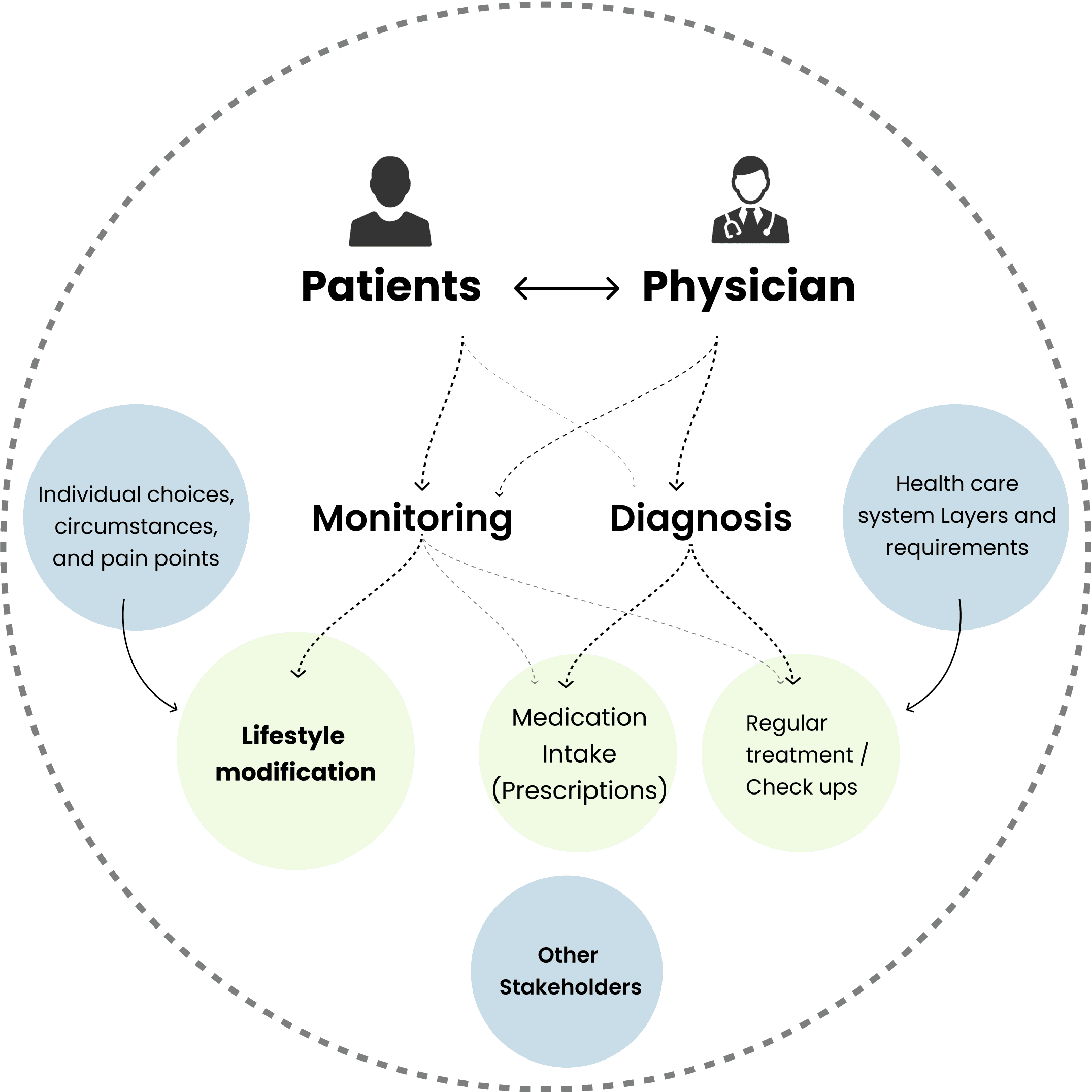
Painpoints, oppurtunities and Endgoals
Stakeholders
Pain points
Opportunities
End goals
Chronic diseases patients
Busy Work Life.
No Emphasis to self care practices,
Lack of Personal Involvement in Health Decisions.
Long-Term Medication without Periodic Review
Difficulty in Maintaining Regular Doctor Visits.
Managing Multiple Prescriptions
Limited Time for Physical Activity.
Dietary Restrictions and Conscious Eating.
Financial Burden of Medication.
Inconvenient Appointment Booking.
Limited Doctor Availability and time consuming doctor visits.
Missing Health Records and Prescriptions
Polypharmacy ( Multiple medication )
Assistive tools for Regular screening and reminders.
Regular monitoring and medication.
Physical activity in relation to body mass index.
Healthy Food habit.
Balancing healthy lifestyle with busy work life.
Informed and shared Decision-Making.
Prescription and Records Management.
Unified Health Information and services channels.
Life style changes.
Regular medication and check ups.
Regular monitoring.
Improved Awareness.
Simplified Health Management process.
Doctors
Frequent Doctor Changes.
Communication Barriers.
Irregular Follow-Ups.
Reactive visit to doctors.
Focus Solely on Medication Over Lifestyle Changes.
Regular Follow-ups in
monitoring and health checkups.
Understanding Comprehensive History.
Communication issues.
Lifestyle- Personalized Self-Care as prescription.
Integrated, Unified Evidence Management.
Longitudinal Health Data Access.
Collaborative Care.
Centralized Medical Records.
Proper evidences to Improve health management and communication.
Standardized procedures for Confident practices.
Proactive Health Monitoring
Chronic disease Patients Cycle
Regular Lifestyle - Chronic disease - Catastrophe

Evidence - Data
Evidences lacking area

BMI

Food habbits

Stress / work life balance

Personal Hygiene

Physical activity
Self care -
Lifestyle
Management
catastrophe management
Primary /Secondary stage cycle
Symptoms

Might Notice repeating Symptoms: Indication of underlying conditions requiring further assessment.

Formulating assumptions and finding a doctor specialized in the condition.

Consultation with doctor.
Analysis patient
Communication Occurs: Doctor analyzes the patient to identify underlying issues.

Test / Prescription
Doctor prescribes necessary / tests to evaluate the patient’s condition.
Next Consultation
Analyzing patient data through longitudinal analysis to enhance condition assessment.


Medicine Prescription
Doctor prescribes medication for follow-up treatment.
Lifestyle Suggestions
Recommending lifestyle changes or requirements tailored to specific conditions.
Further Symptoms

Noticing any changes or difficulties that may arise.
Return to Doctor

Consulting if symptoms recur or if immediate follow-up is prescribed.
Follow-up every 3 months while continuing medication and preparing for the next checkup.
Regular Layers: Emphasizing
personal responsibility in self
-health care management.
3 Months

Test Details
Obtaining quality and quantity data to assess health information and inform diagnosis.
Ignoring Symptoms
Overlooking follow-up symptoms or skipping necessary requirements.

Severity Progression
Leading to worsening conditions and advancement to secondary or tertiary stages.
Secondary/Tertiary
Treatment Zone
Transitioning to advanced treatment options for more severe conditions.
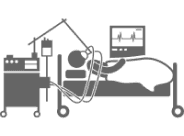
Critical Outcome
Potentially leading to life support situations or death in severe cases.
Cautious Recovery
Returning to previous stages and re-establishing a follow-up routine with caution.

Tertiary Treatment
Transitioning to advanced care if the condition worsens and becomes irreversible.
A key issue identified is the lack of visibility and importance given to longitudinal data, evidence, and condition-specific readings. This information is crucial for both patients and healthcare providers to make informed decisions about treatment and management. Without proper attention to this data, opportunities for early intervention are missed, resulting in inadequate care and the progression of chronic diseases.
The significance of using longitudinal information, data, evidence, readings, and management processes in the healthcare system

This data / evidences might help them know information about their self-health and serve as a trigger to follow up on essential requirements.

Patients - Beneficiary
With regular routine lifestyle challenges and difficulties, patients are often not aware of or do not give importance to evidence
?
Understanding the lag in the systemic layer is essential to effectively accelerate the preventive healthcare system, addressing needs at various levels

Doctors - Face of the system
Physicians need better evidence to help them manage patient situations effectively and to ease their processes, as well as to reduce systemic and legal burdens.
Interventions in this space will facilitate the creation of more personalized and focused care, promoting better coordination among physicians in managing patients with comorbidities.
Background - Understanding systems - secondary Research
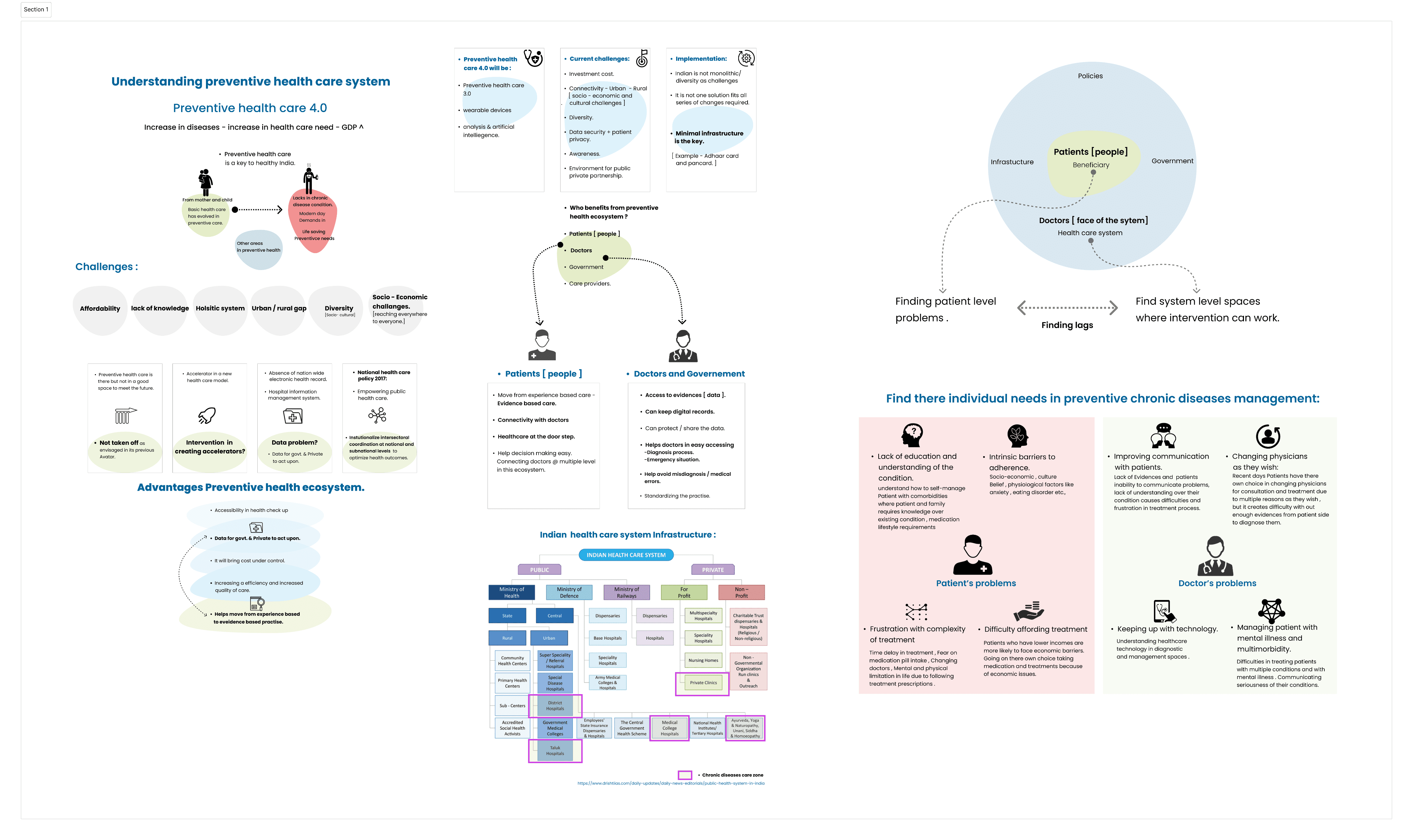
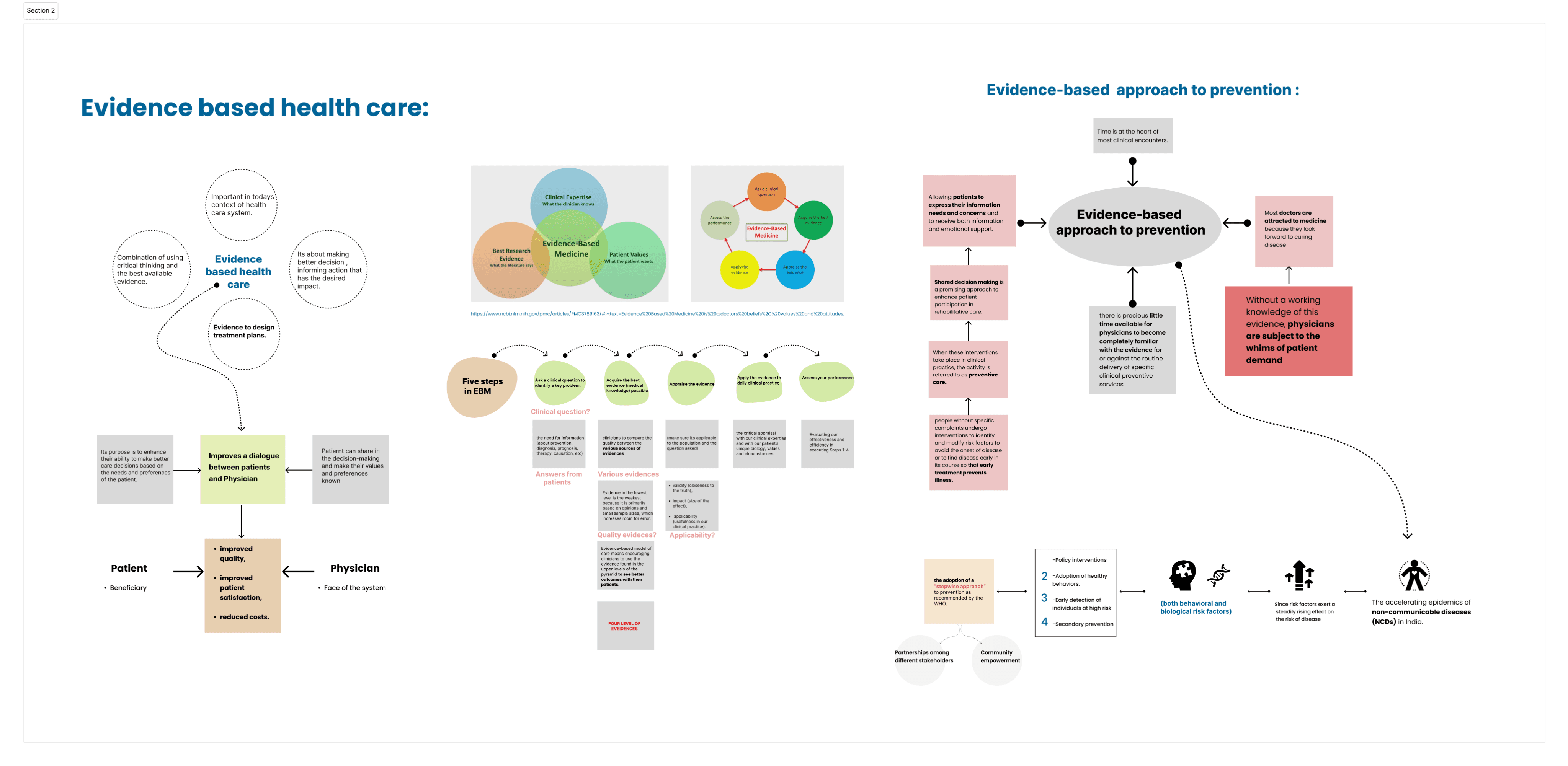
Problem statement
There is a critical lack of accessible longitudinal data and tools for patients managing chronic diseases, which impairs effective self-health management. This gap disrupts patient-centric care and limits the ability of healthcare stakeholders to address the complex needs of individuals, ultimately hindering the effectiveness of the healthcare ecosystem.
Intervention Area
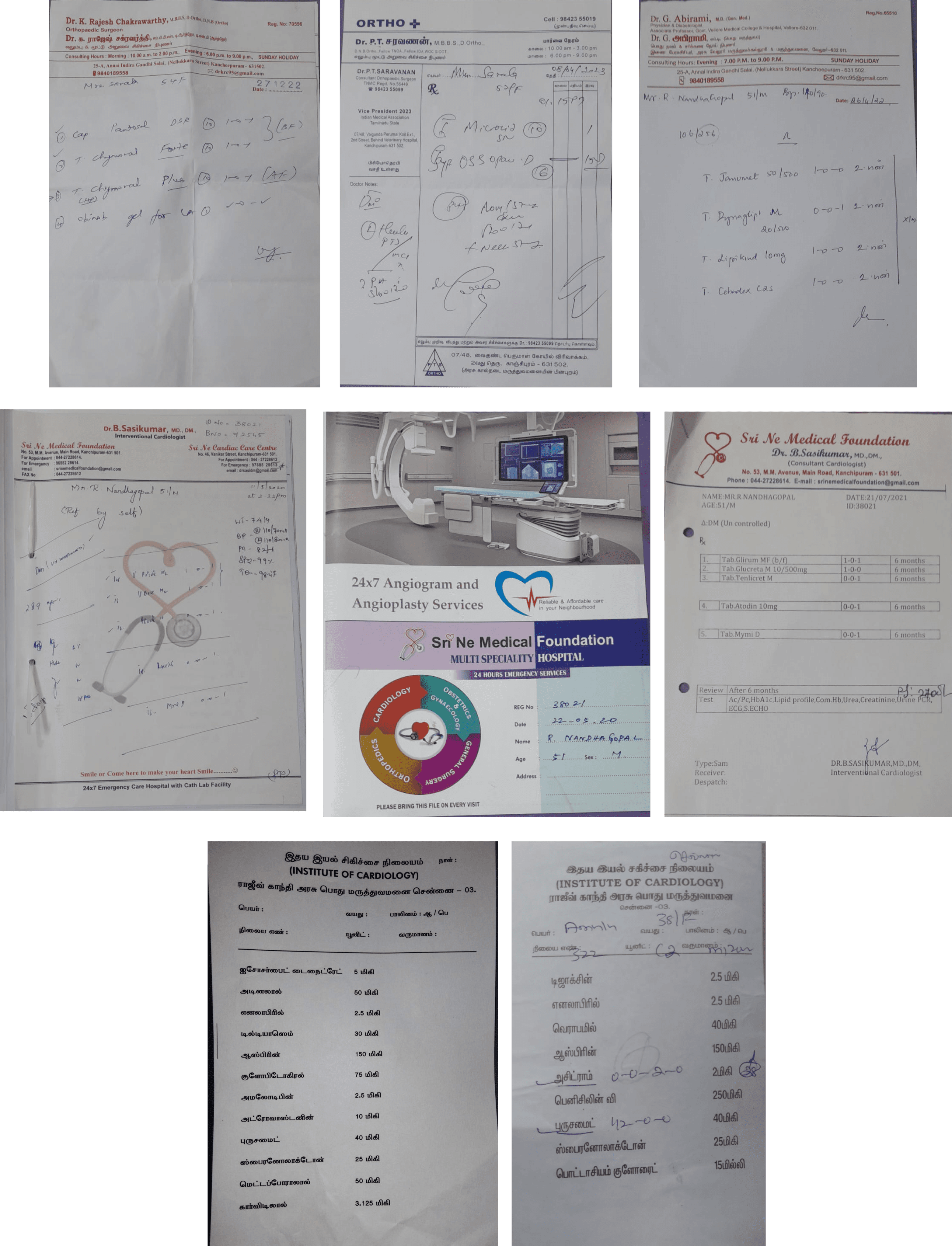
Concern : Prescriptions remain static —unchanging from the moment they are issued.
Dynamic prescriptions in health care ecosystem.
in any health care management , prescriptions ( evidences ) plays a vital role , especially in chronic disease management for people in primary and secondary prevention stages , since the lifestyle and health management of these patients are dynamic in nature to the ever evolving stakeholders are involved, Despite this dynamic nature of health care ecosystem , the crucial artefact of prescription often remains static and unchanging.
Area : Health care ecosystem.
User group : Chronic disease patients.
Artefact : Prescription
Interesting data on disadvantages of prescriptions
- 50% of patients identify medications by color or size, not by name.
- Up to 10% of prescription errors stem from illegible handwriting.
- 5.2 million medical errors annually, many linked to improper prescriptions.
- Chronic patients' households manage 6 to 8 prescriptions (pills) on average.
- 60% of patients misinterpret medication instructions.
- 30% of household medications are expired.
- 1 in 5 prescriptions is for off-label use, causing patient confusion.
- 60% of people prefer OTC medications over prescribed treatments.
Reference of Prescription sheets just being static which is a crucial artefact of the health care system . How about we value add to make it dynamic?
In prescription perspective - Problems with existing static prescription sheets
Long-term / overarching issues :
Static Prescriptions Don't Support Longitudinal Data and Health Management
Traditional paper prescriptions are static and do not evolve with the patient’s health over time.( Health readings, Treatments, Medicine, dosages, course durations etc., )
Ineffective Support for Polypharmacy (Multiple Medications and Consultations)
Risk of harmful drug interactions, duplication of therapies, or patients missing crucial medications.
Poor Record Keeping and Safeguarding Paper-Based Prescriptions
Lead to miscommunication, Longitudinal continuity of care.
Complexity of Prescription Information for the General Public (Legibility Issues) language and medical terminology, lead to confusion about medication usage, side effects, and adherence.
Impact on System Coordination Among Stakeholders
Affect ability of patients, doctors, pharmacist) to coordinate effectively.
fragmented care, process.
Situational (day to day) issues :
Lack of Timely Reminders for Medication Adherence
Miss doses or skip medication, consistently while at work or when out, leading to non-adherence to prescribed schedules and conditions.
Lack of Awareness About Medication Courses and Relevant Information
knowledge about the medications (dosages, durations, and purpose, Combinations).
Communication Gaps in Patient History During Consultations
Inadequate access Comprehensive patient history, Courses and effective translations( knowledge and language).
Need for Emergency Health Information
Medical history, allergies, and current medications.
Increased Consultation Times and Patient Crowding
Cause Working-class patients to frustration, missed appointments, changing doctors and unmanaged health issues.
Challenges in Advocating Lifestyle Choices for Longitudinal Health Management
Doctors often struggle to follow up on lifestyle prescriptions provided, Self prescription and follow up .
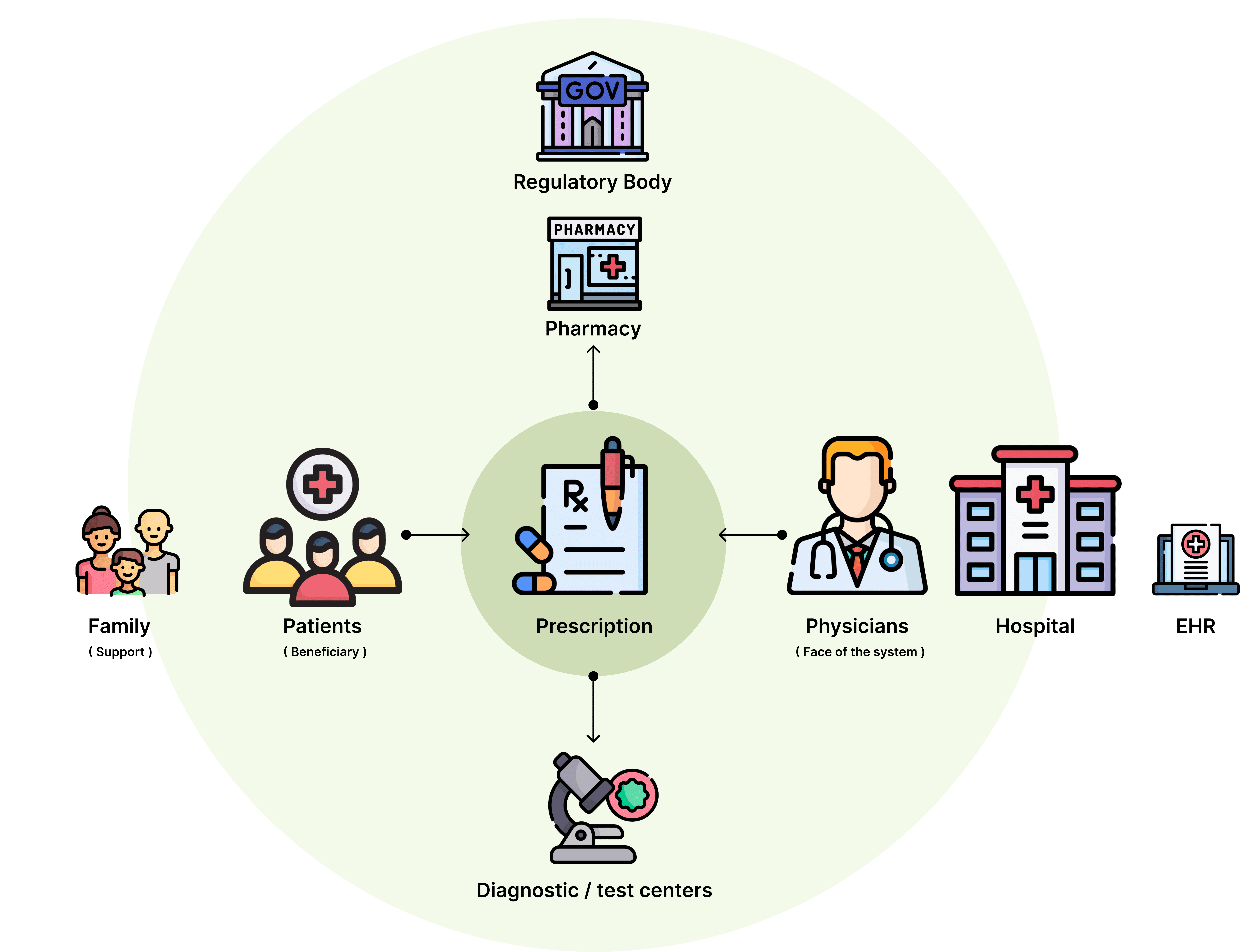
Service Components
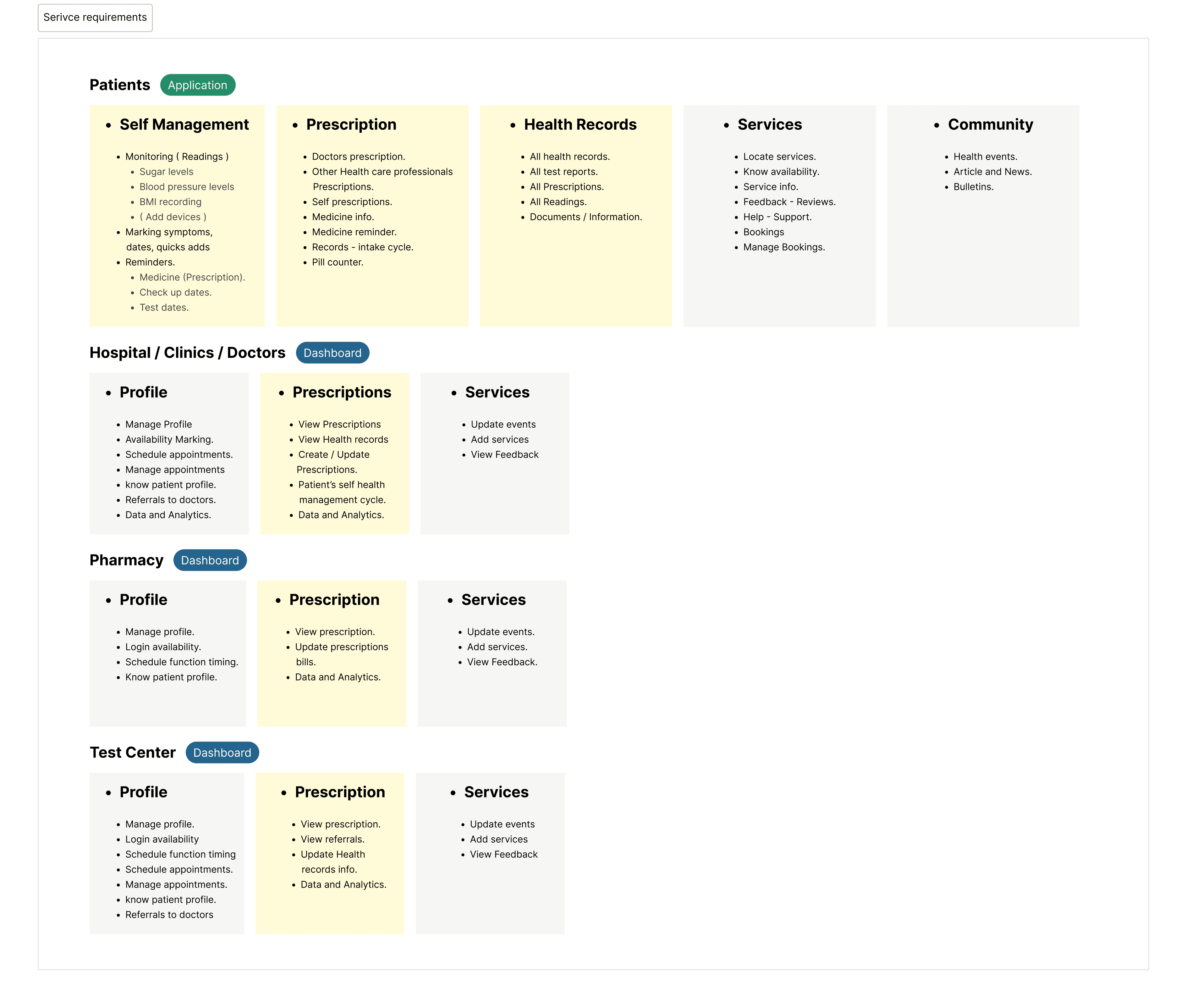
Patient Application Features
Primary
Secondary
Tertiary
Dynamic Prescription
Self-Updating Prescriptions:
The dynamic prescription model automatically updates and adjusts based on real-time assessments made during the patient’s visit to the physician.
Unified Prescription Reading System:
This system consolidates all essential prescription details—medication information, considerations (such as allergies or interactions), dosage, timely reminders, and course duration—into a single, easy-to-access platform.
Manual Addition for Self-Management:
The system allows patients to manually add personal prescriptions, including over-the-counter medications or lifestyle prescriptions, for self-management.
Marking Dates/
Noting Symptoms
Symptom Tracking and Documentation:
Patients can log dates and symptoms, with data stored for ongoing monitoring and analysis by healthcare providers.
Community
Local Health Alerts:
Stay informed about health-related events, such as vaccination drives, health camps, and emergencies in your surroundings.
Health Information Access: Provides access to articles on health topics and details on healthcare schemes, ensuring patients stay informed about medical advancements and available support programs.
Daily Schedule/Timeline:
Daily Overview:
Provides a daily schedule reflecting medicine intake, doctor visits, and health management tasks.
Know your services
Explore and Book Healthcare Services Anywhere:
Patients can explore nearby hospitals, clinics, doctors, pharmacies, test centers, and emergency services anytime, from any location.
AI Generative Feedback and
Error Prevention
The system generates automated feedback, providing real-time insights and warnings about potential errors in medication,
Data analytics
Health Information Analytics:
reads health information and provides insightful analytics to track trends, identify patterns, and suggest actionable health improvements.
Device Integrations:
Automatically collects health information from other sources such as blood glucose monitors, blood pressure monitors, fitness watches, etc."
Digital Health Reports
Health History Access:
Patients can access and display their complete health history anytime, from any location.
Self-Management Support:
Assists patients in understanding and managing their daily health routines, promoting better independence in health decisions.
Improved Communication: Facilitates better communication between patients and healthcare providers, ensuring both are aligned in health management goals.
Comprehensive Patient Data: Assists physicians in understanding patients better through a complete view of their health information, including historical data and real-time updates.
Improved Communication: Enhances communication between physicians and patients, allowing for more informed, accurate, and personalized care.
Data for Governance (Data for Governance):
Provides governing bodies with comprehensive data to support the standardization, management, and regulation of healthcare services.
Empowers patients to take control of their health by efficiently managing daily routines and lifestyle challenges, reducing dependency on external assistance.
Helps physicians understand and provide more effective treatment, leading to better health outcomes and a stronger doctor-patient relationship.
Enables informed decision-making for policy development, ensuring consistency and quality across the healthcare system, improving public health management.
Information flow
User onboarding
Login /signup
ABHA id integration.
Data Extraction - Syncing
Health Record Retrieval
Prescription History Sync
Real-Time Data Sharing
Profile setup
Profile info - Health informations
User details
Settings
Home screen
Reminders
Prescription Reminders: Medication, Refill, Dosage Timings.
Appointment Reminders: Doctor Visits, Follow-ups.
Custom Reminders: Health Checks, Lab Tests, Vaccinations
Prescriptions
Quick Overview information.
Quick add
Devices
Add devices
Healthcare - recorders and monitors.
Blood sugar , Bp machine , Smart watch .
Nav Tab
Home
Prescription
Records
Services
Booking
Community
Prescriptions
Existing Prescriptions data(ongoing)
Prescription History(Previous)
Doctor’s Notes
Digital Signature: Authentication, Validation
Medication Info
Schedules
Prescription document link.
Generative info - warning, Combinations etc.,
Prescription Creation: Medicine Name, Dosage, Frequency.
My health records.
Medical History: Diagnoses,
Treatments, Surgeries
Immunization Records: Vaccination
History, Due Vaccines.
Prescription Records: Linked Prescriptions, Refill Status
Doctor's Notes: Consultation Summaries, Recommendations
File Management: Upload Documents, Categorize, Search.
Access Control: Patient-Controlled Data Sharing, Privacy Settings
Services
location info
Search location
Map info ( Distance/ Direction info )
Know services near by
Service info.
Check availability status info.
Contact details.
Distance info.
Ratings and reviews
Appointment and schedules.
Availability
Booking.
Notifications
Notification Channels: SMS, Email, Push Notifications.
Bookings
Waiting List: Add to Queue, Notify on Availability
Current schedules / bookings.
Doctor, Time, Date, Location
Manage - Edit info
Cancellation: Online
Booking History: Past Appointments, Status.
Emergency Booking: Urgent Care, Same-Day Appointment
Community
location info
Search location
Map info ( Distance/ Direction info )
Event Details: Speakers, Agenda, Location/Link.
Event Types: Webinars, Health Camps, Workshops.
Upcoming Events: Calendar View, Countdown Timers.
Event Registration: RSVP, Add to Calendar, Reminder Integration.
Event Sharing.
Article Section:
Quick add ( Floating icon )
Add Symptom: Log New Symptoms.
Add Reminder: Create Custom Reminders.
Add Prescription: Quick Prescription Entry.
Add Appointment: Schedule a New Appointment.
Custom category : set Preferred Quick Add Features
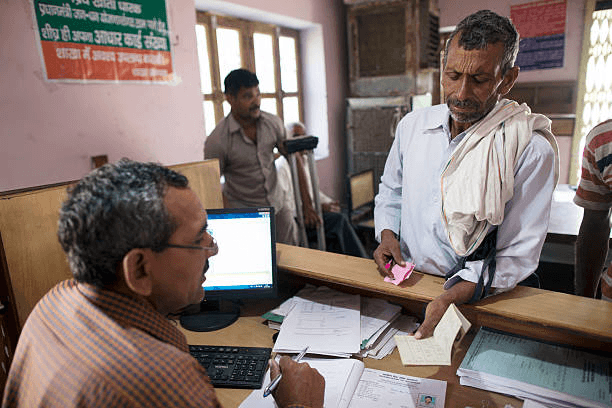
Persona Narration
Exposition
Dhahsna, a 52-year-old assistant engineer at Electricity Board, lives with his wife. Both suffer from chronic conditions (diabetes, gastric issues for him; blood pressure, thyroid, and migraines for her). Their children are away, and they struggle to manage their health due to busy work schedules and lack of health awareness.
Conflict
Their health deteriorates—Dhahsna sugar levels rise, and his wife fears for his well-being. They miss checkups, skip medications, and struggle with daily health management.
Escalation
Health issues worsen. Both are overwhelmed and anxious, unable to manage their conditions. Without support, they grow increasingly worried about each other’s health.
Climax
Dhahsna faces a health scare that pushes them to realize they need immediate help to manage their conditions effectively.
Falling Action
They seek external support—considering health management apps, reminders, or hiring a caregiver—to regain control over their health.
Resolution
With proper assistance, Aeon Application, they establish a manageable health routine, reducing stress and help stabilizing their chronic conditions. They feel more secure in their health management.
Patient Application
Home screen
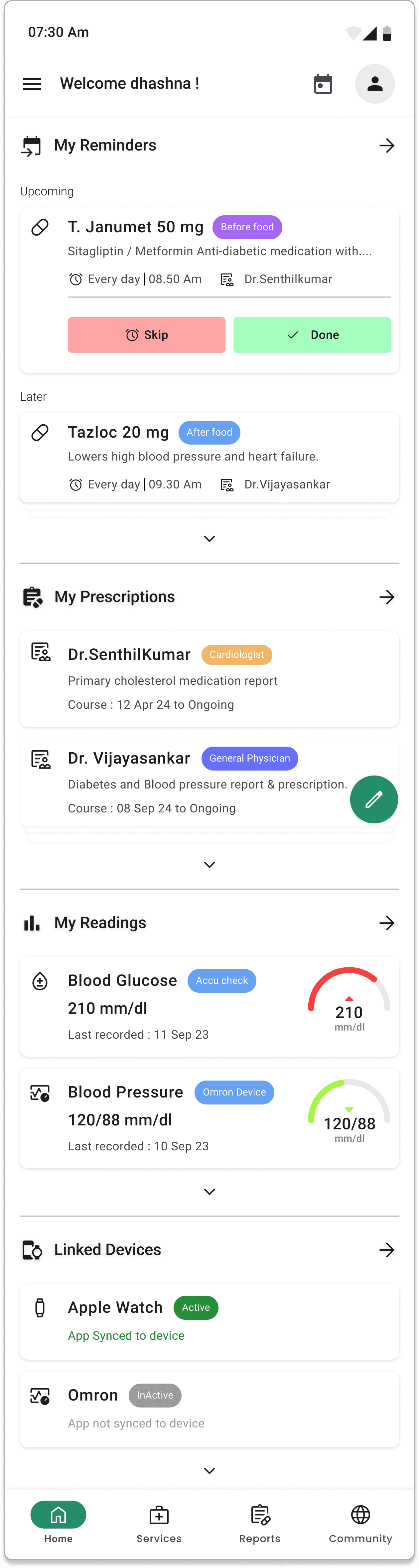
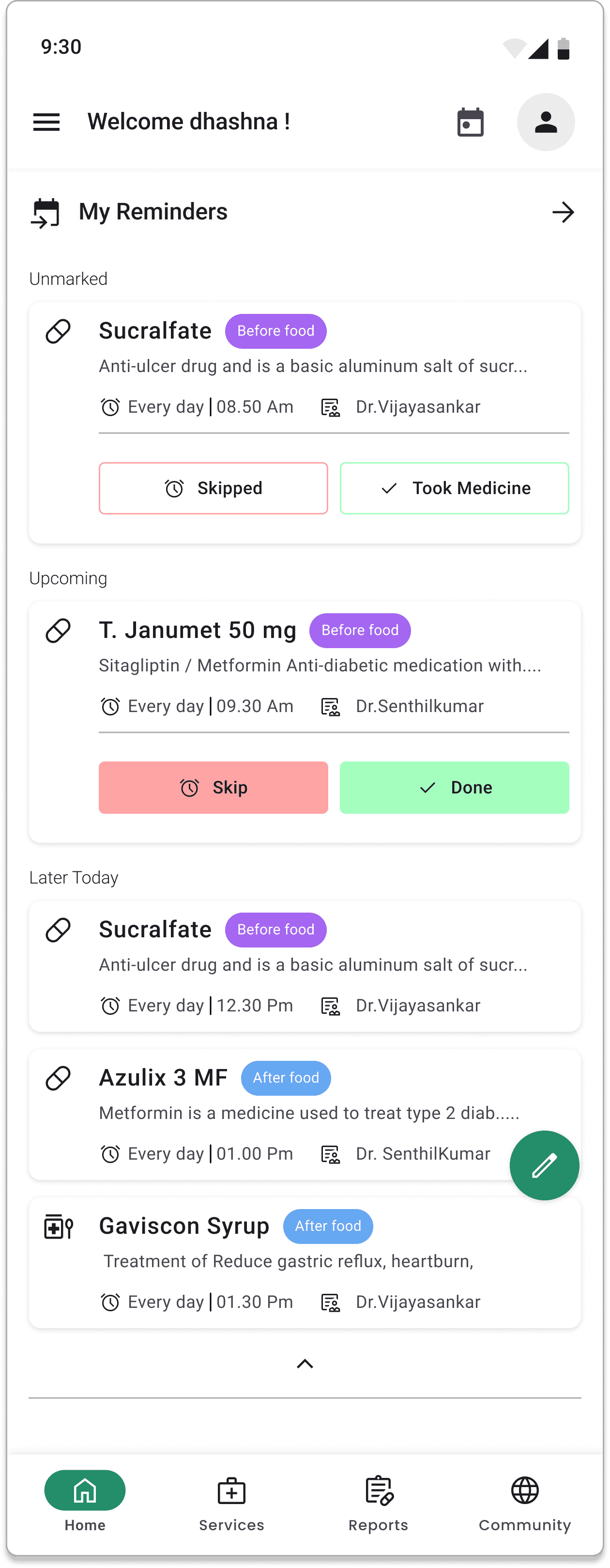
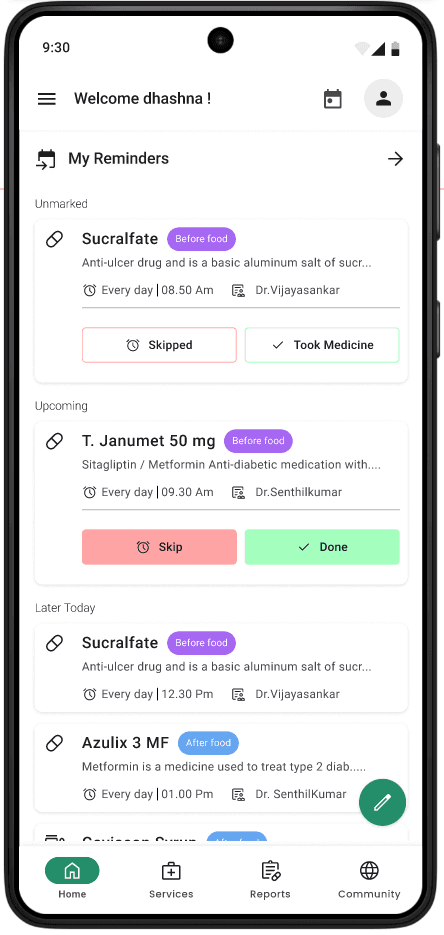
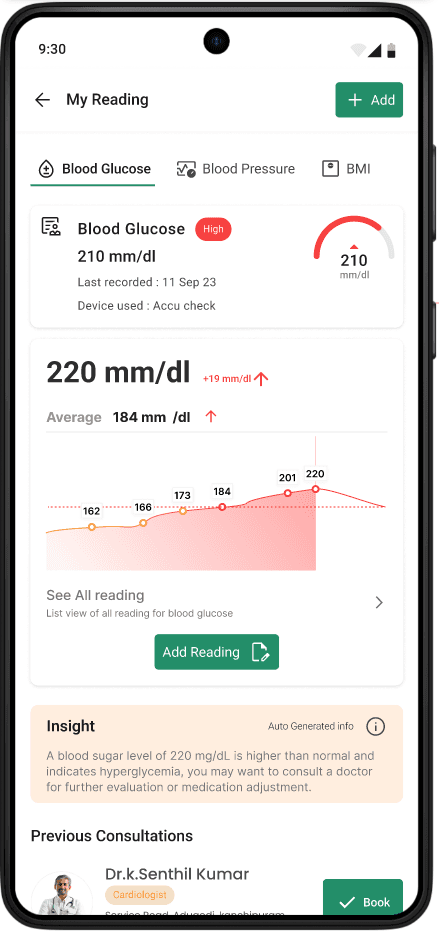
The theme emphasizes a text-first, paper-like prescription experience, combining the simplicity and familiarity of traditional prescriptions with intuitive digital functionality.
Prioritizing clear text and minimal design, this approach bridges physical and digital prescriptions for a seamless, user-friendly experience.
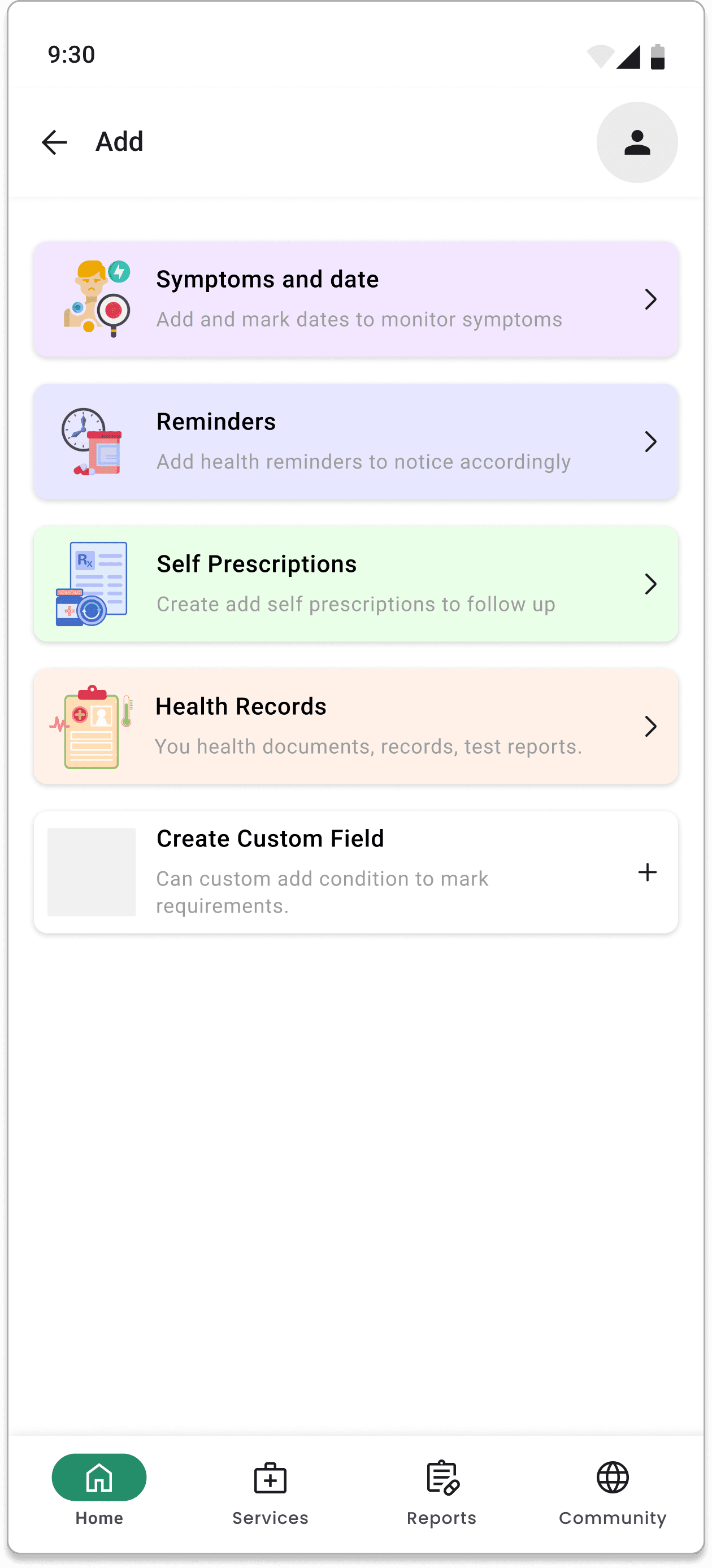
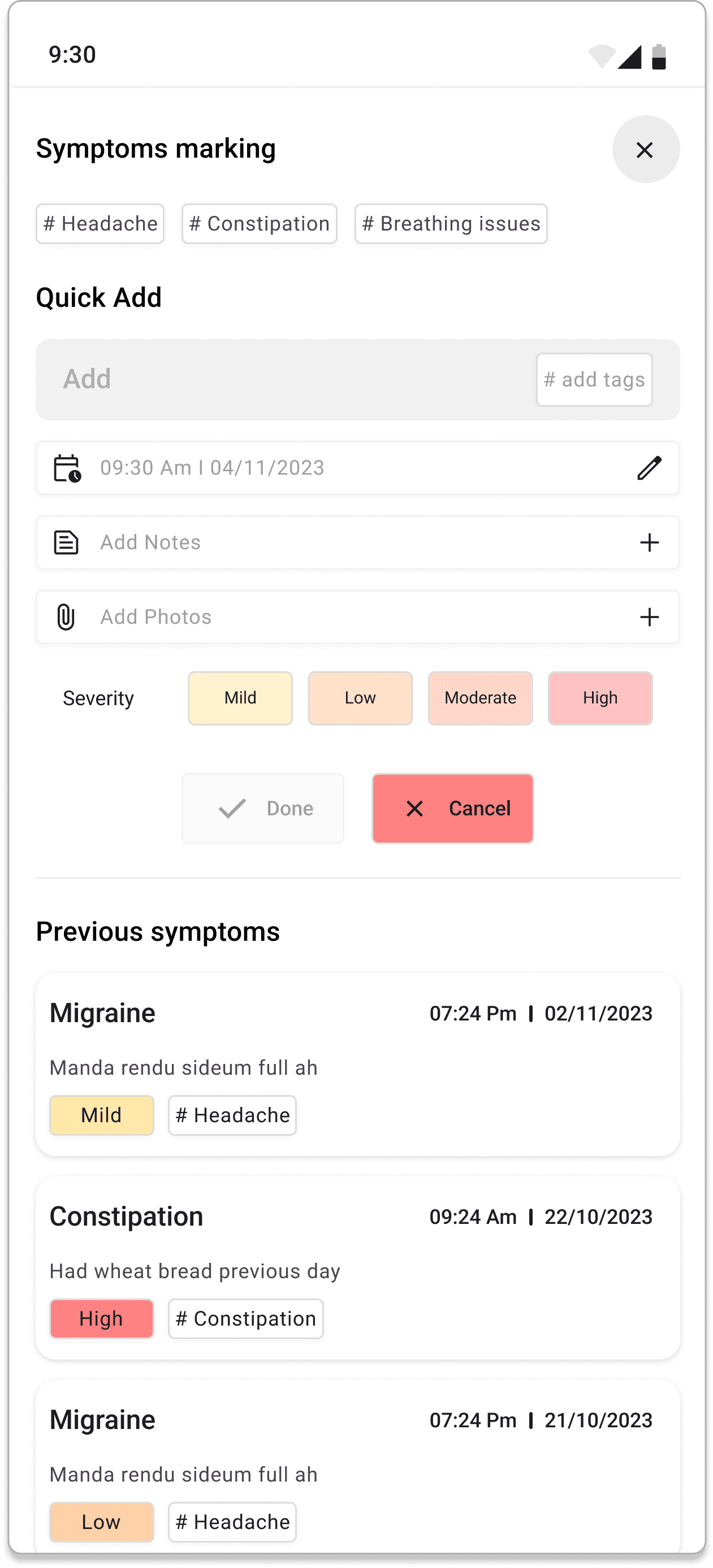
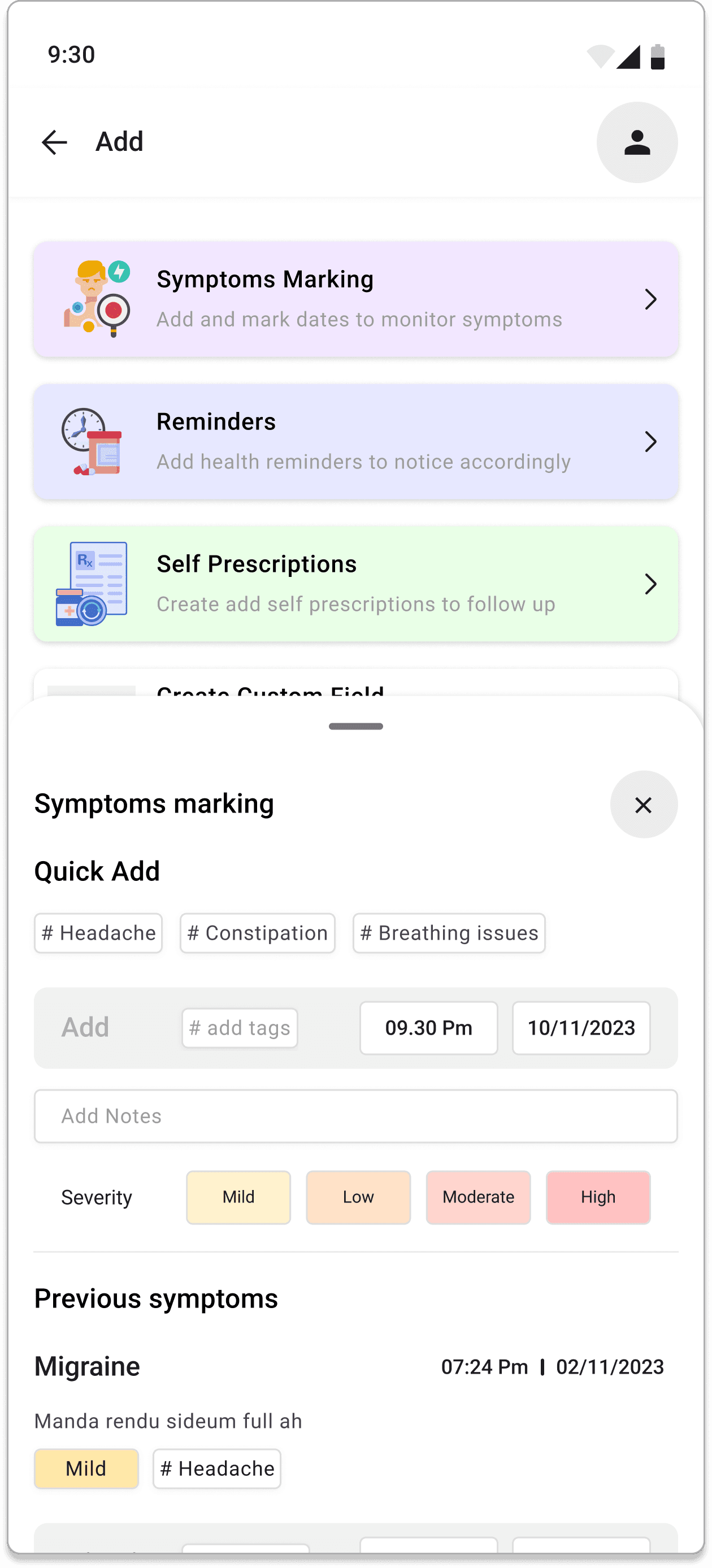
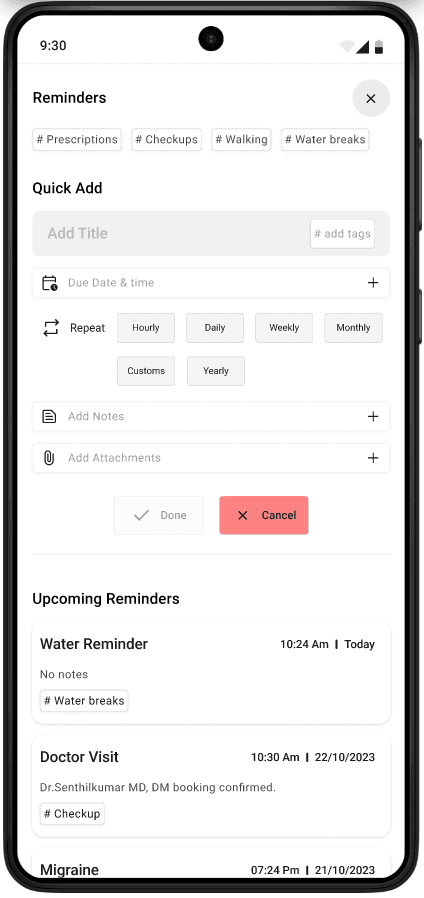
A Quick Add Floating Icon allows users to effortlessly mark symptoms, set reminders, and add prescriptions with just a tap.
It also offers the flexibility to customize folders for personalized quick actions, streamlining common tasks for faster access.
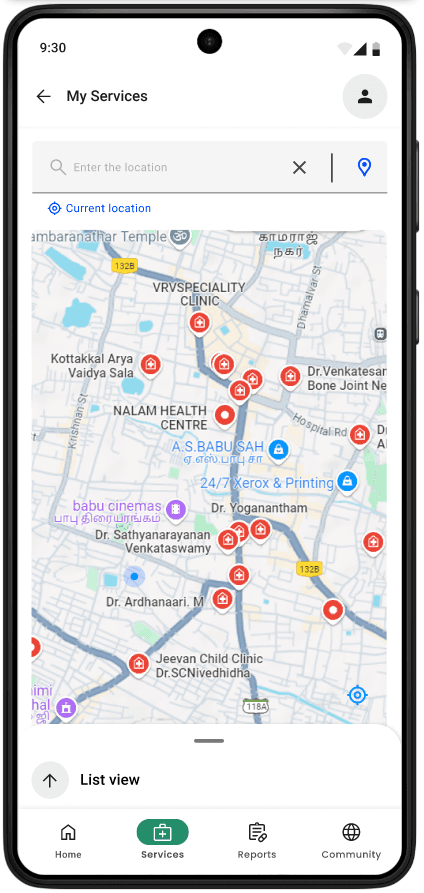
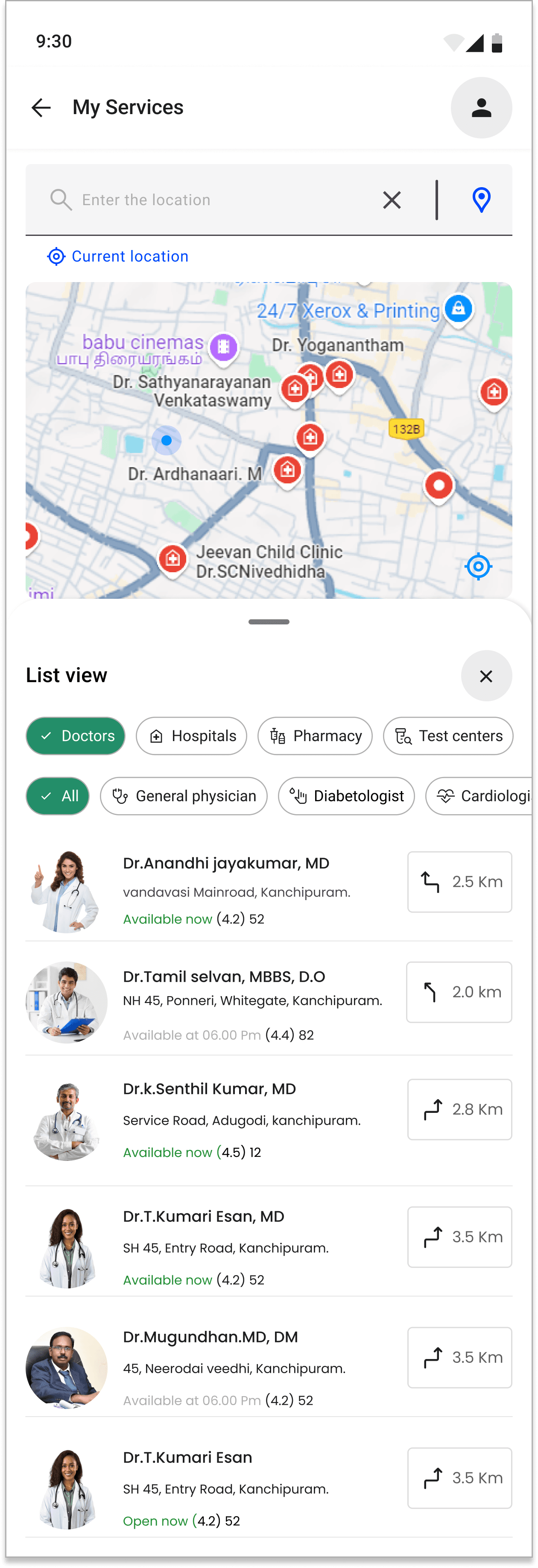
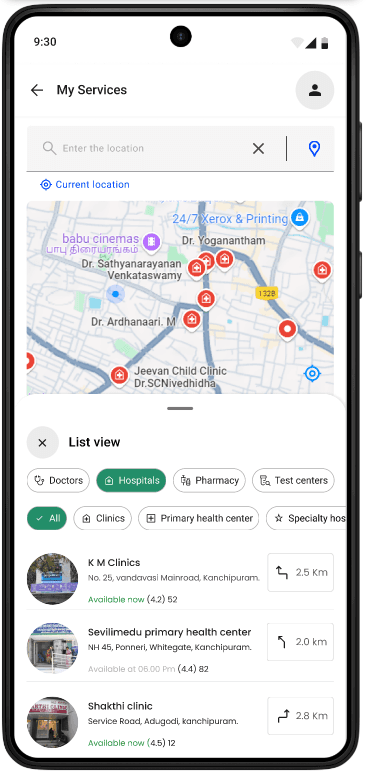
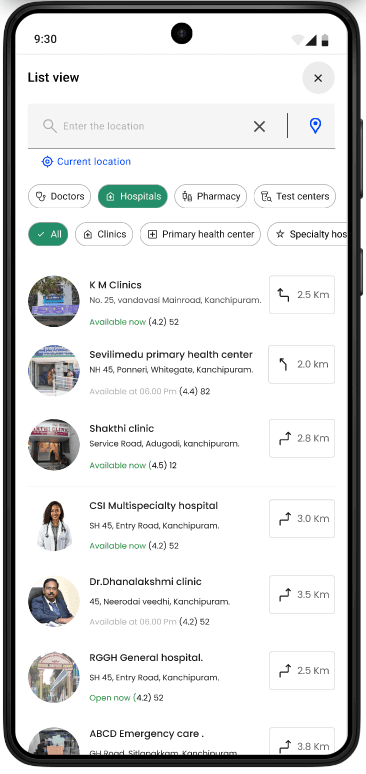
The Service section enables users to search and find clinics, doctors, specialties, pharmacies, and essential services with a map view to locate them easily.
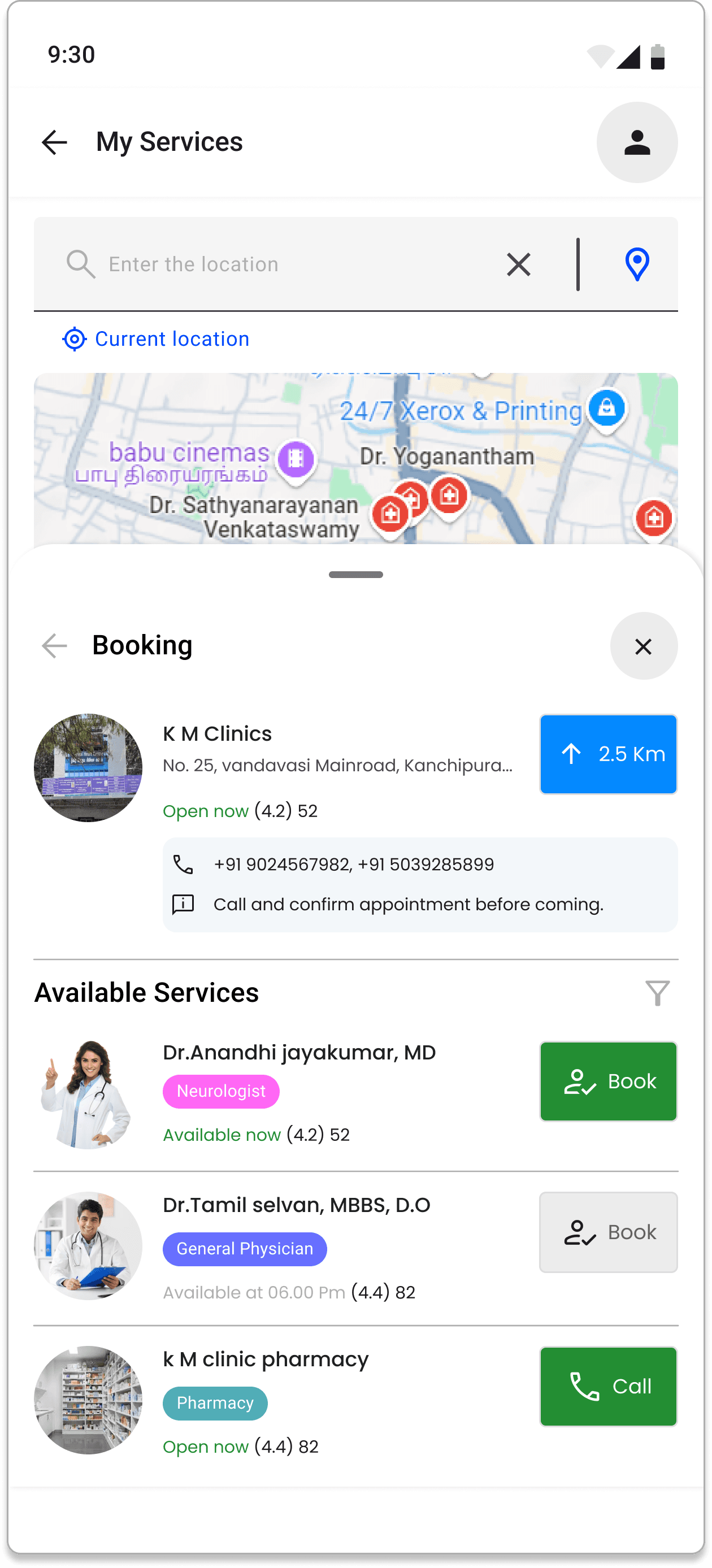
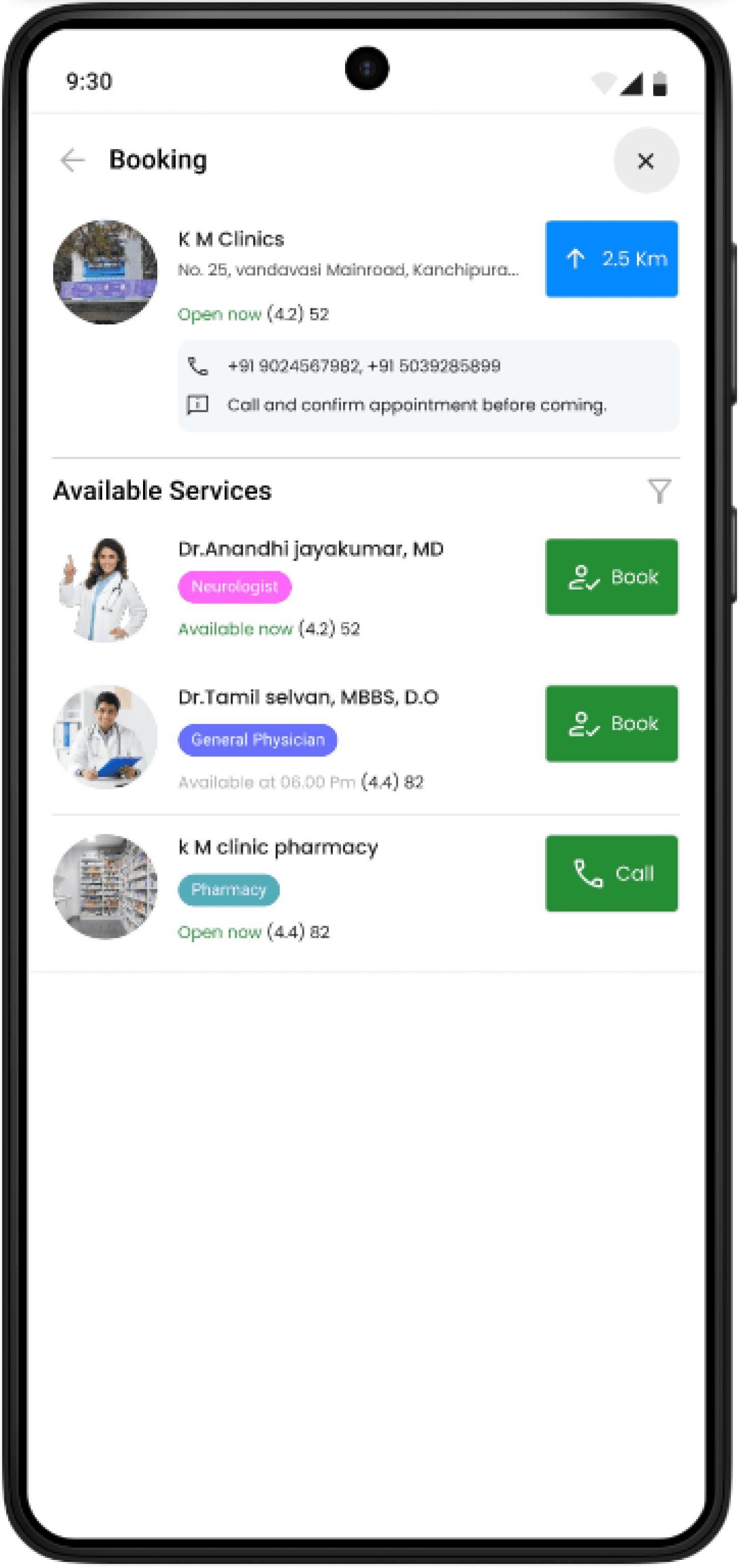
The Service feature mirrors existing liver services provided by doctors, clinics, and hospitals, offering a comprehensive view of available combinations within the existing hierarchy.
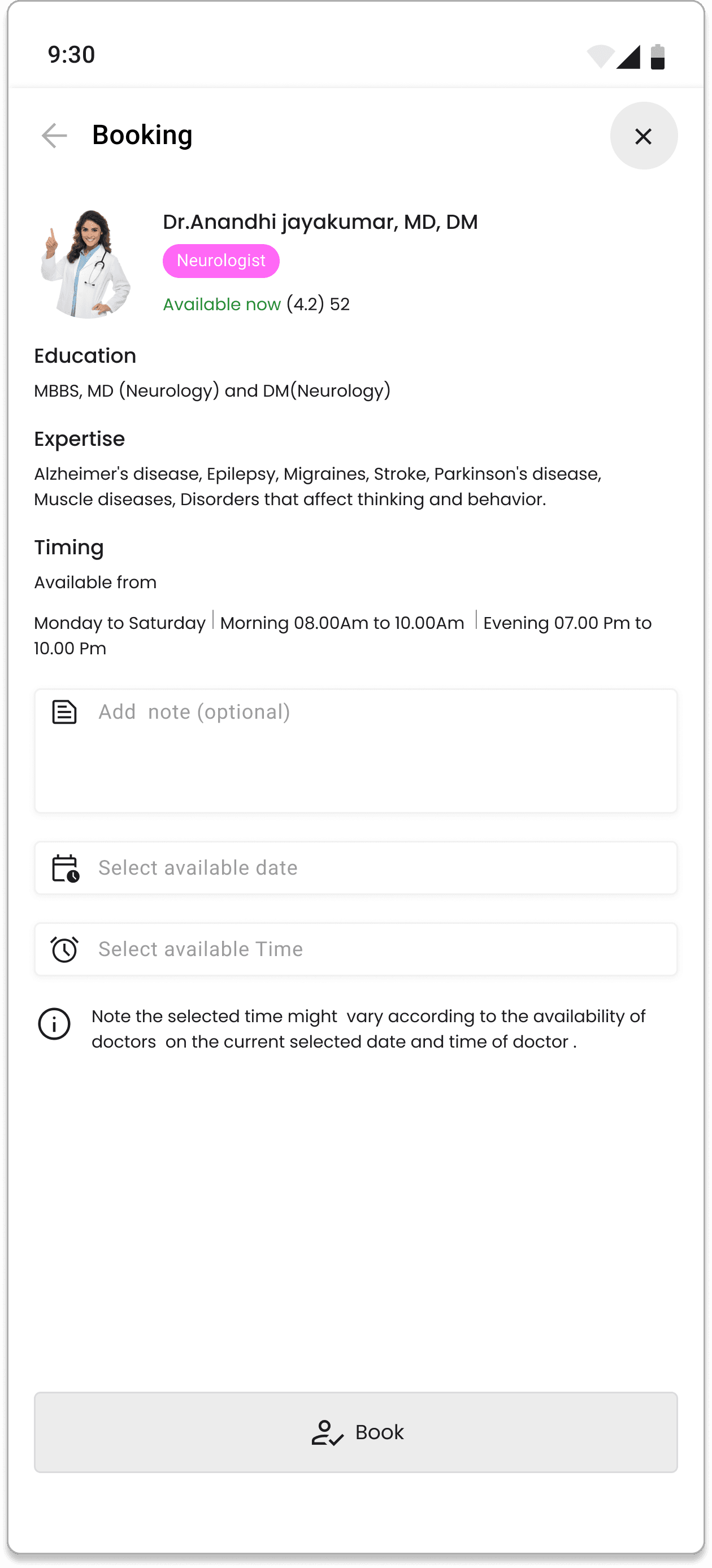
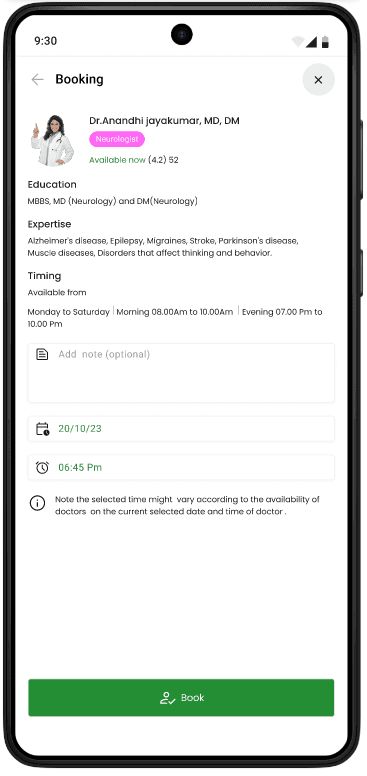
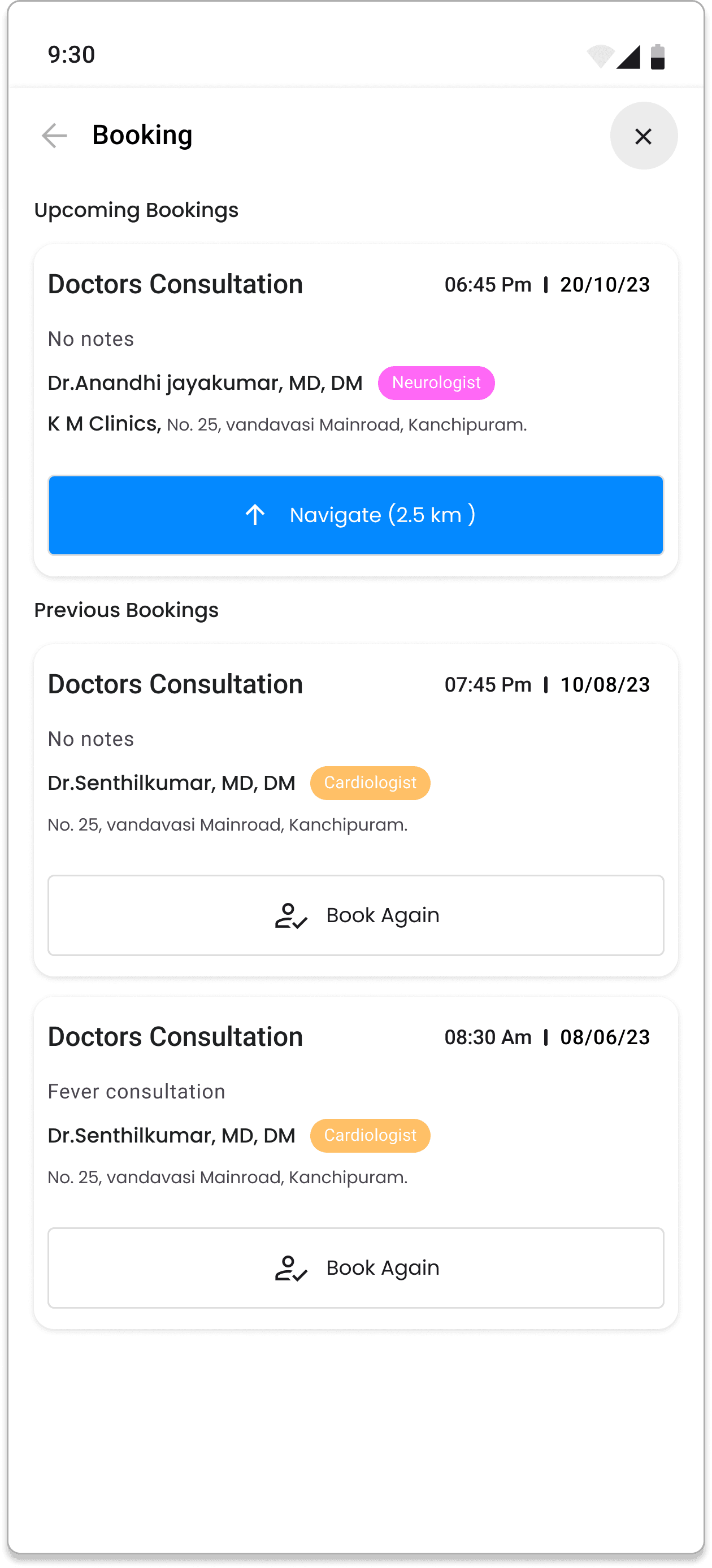
Users can access essential information about these services and book appointments or services as per their needs, ensuring anytime, anywhere access to healthcare resources.
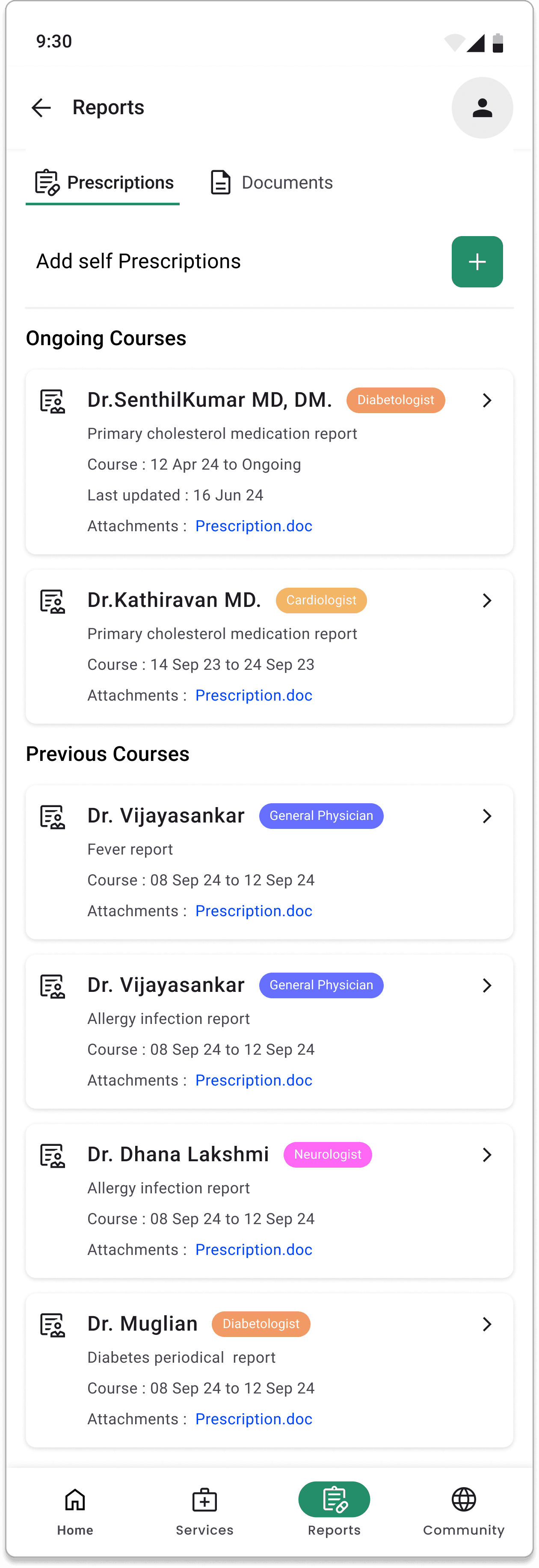
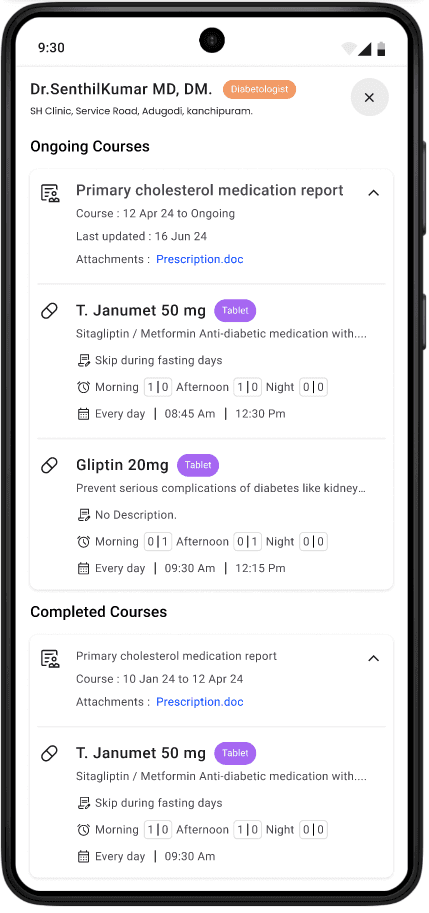
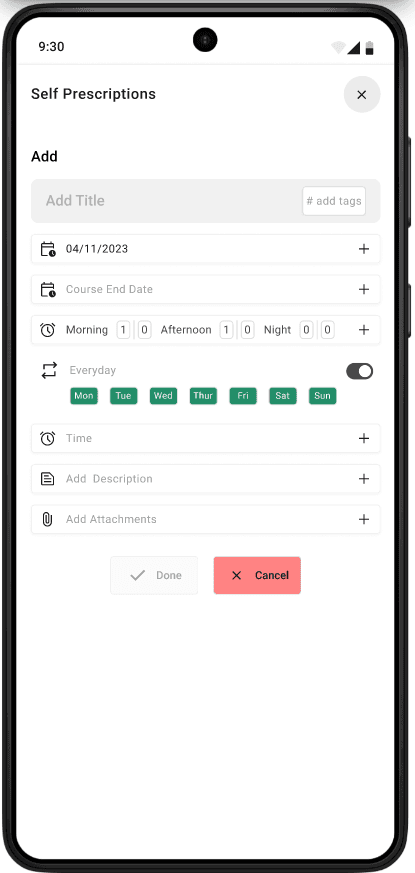
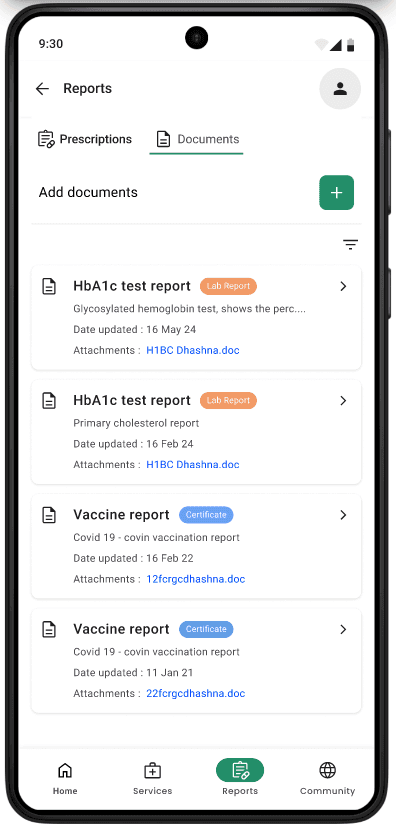
The Prescription section reflects existing prescriptions across different doctors and medical conditions, organized by course details.
The Prescription section allows users to add self-prescriptions, track them, and set reminders for effective medication management.
It allows users to easily access past prescriptions and reports providing a longitudinal view of patient history. This helps physicians quickly review past treatments, offering valuable insights and evidence-based continuity of care.
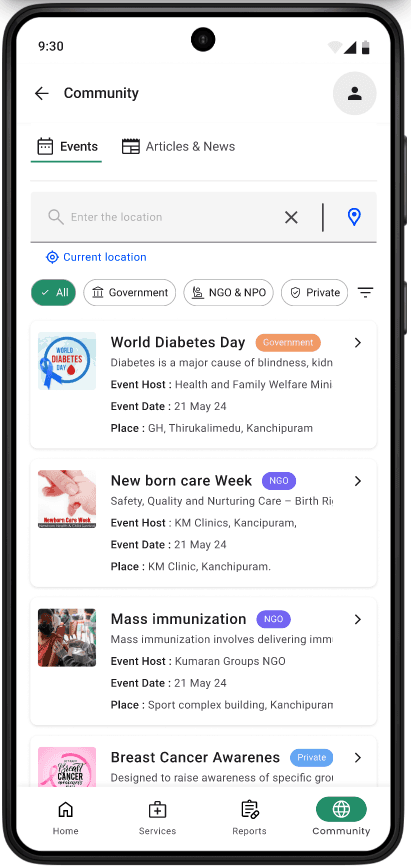
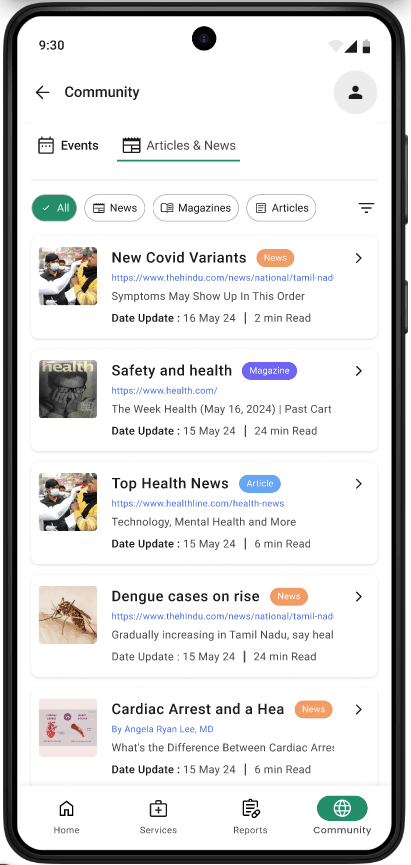
The Community section provides users with access to healthcare events, wellness campaigns, and a curated collection of health-related articles, news, and updates.
It serves as a hub for essential, location based, timely information, helping users stay informed about the latest trends, medical advancements, and public health initiatives.
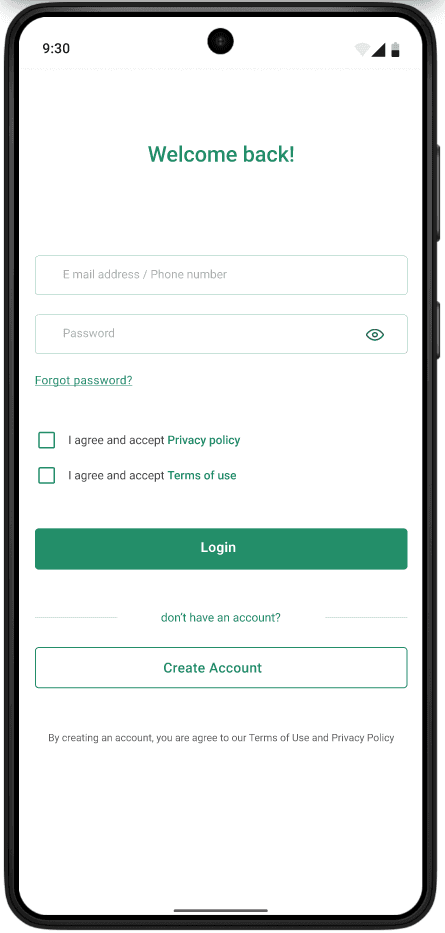
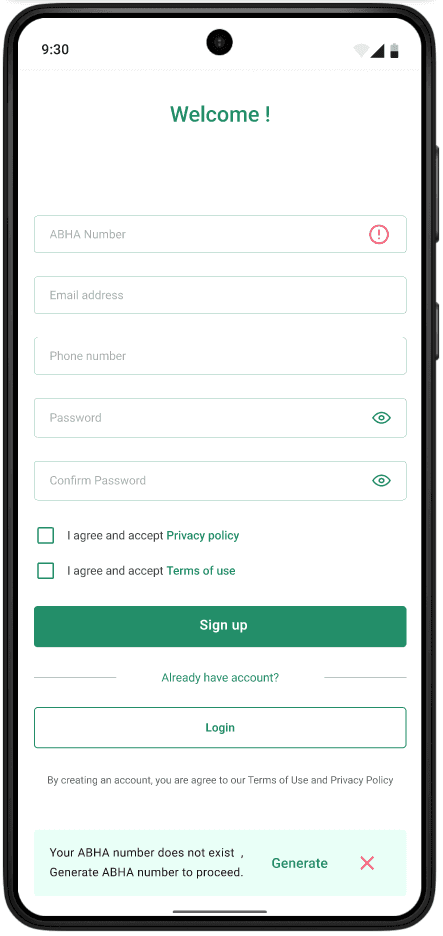
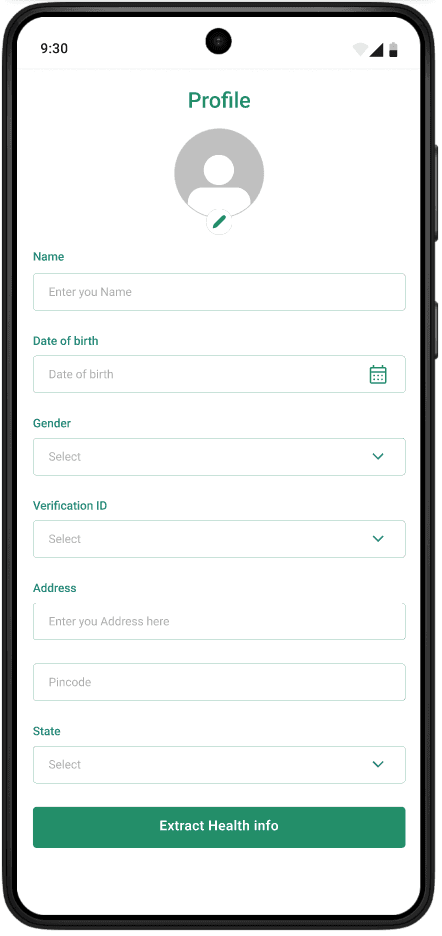
The onboarding with ABHA automates the extraction of health information, seamlessly linking it across all stages of service.
This ensures that personal health data is consistently reflected and updated, enabling smooth and efficient service initiation and management throughout the user's healthcare journey.
Fin.